Cycling across Europe is much more than a simple trip: it is a slow, deep immersion into the landscapes, cultures, and history of the continent. Thanks to the EuroVelo network, a set of long-distance cycling routes that are perfectly signposted, Europe becomes an endless playground for lovers of cycle tourism, bike travel, greenways, and sustainable mobility.
From the windswept cliffs of the Atlantic to the peaceful banks of the Danube, from the Norwegian fjords to the pilgrimage routes leading to Santiago de Compostela, every pedal stroke tells a story. These routes offer a subtle balance of pristine nature, cultural heritage, local gastronomy, and the joy of cycling, often far from cars, on safe bike paths.
In this article, we take you to discover three of Europe’s most beautiful cycle routes:
- EuroVelo 1 – Atlantic Coast Route
- EuroVelo 6 – From the Atlantic to the Black Sea
- EuroVelo 3 – Pilgrims’ Route
Three legendary routes, three ways to travel by bike, but one promise: to experience Europe differently, at the pace of your pedals.
EuroVelo 1 – Atlantic Coast Route
EuroVelo 1, also called the Atlantic Coast Route, runs along Europe’s western edge for over 11,150 km, from North Cape in Norway to Portugal. It is one of the continent’s most spectacular cycling routes, offering an exceptional diversity of landscapes: fjords, cliffs, endless beaches, estuaries, heathlands, dunes, and fishing villages.
Along its course, EuroVelo 1 passes through 14 UNESCO World Heritage sites, showcasing the cultural and natural richness of Europe’s Atlantic coast. Among them:
- Norway: The historic Bryggen district in Bergen, a former Hanseatic League trading post, immerses cyclists in Nordic maritime history. Further south, the cultural landscapes of West Norway Fjords, including the Sognefjord, rank among the most spectacular fjords in the world.
- United Kingdom: The route passes near major sites such as Hadrian’s Wall, symbolizing the northern frontier of the Roman Empire.
- Ireland: Cultural traditions along the Wild Atlantic Way coexist with major UNESCO-listed historic sites.
- France: EuroVelo 1 follows the Atlantic Coast, alternating picturesque ports, beaches, marshes, and forests. The French section, La Vélodyssée, stretches 1,300 km from Roscoff to Hendaye, offering glimpses of medieval and maritime Breton heritage, the gentle landscapes of Vendée and Charente, and the Basque Country, including iconic coastal towns like Biarritz and Saint-Jean-de-Luz.
- Portugal: EuroVelo 1 leads to Lisbon, where the Jerónimos Monastery and Belém Tower embody the Golden Age of maritime discoveries.
This succession of iconic sites turns every stage into a true journey through time, blending raw nature, architectural heritage, and living culture.
From Nordic Fjords to Celtic Lands
Norway: At the Origins of the Atlantic
The adventure begins at North Cape, the northernmost point of continental Europe. From the first kilometers, cycling takes on an almost mystical dimension. You ride through Sami lands, sometimes crossing paths with reindeer herds.
From Tromsø, the route follows a spectacular coastline: Senja, Andøya, and the Lofoten Islands, where steep mountains plunge into the ocean. In summer, the midnight sun lights up your cycling days, creating an otherworldly glow.
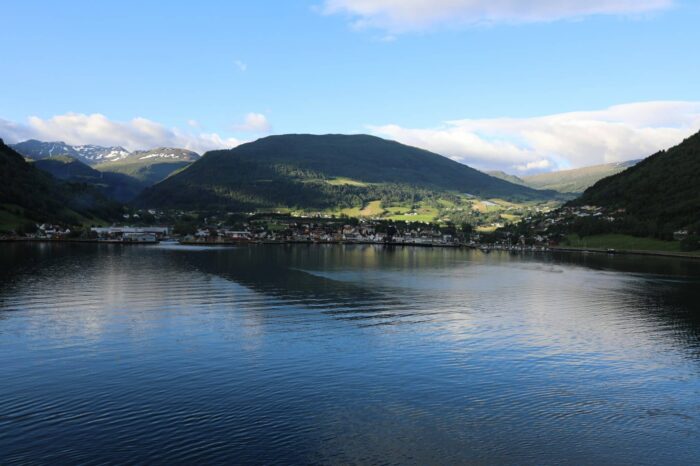
The route continues along Norway’s west coast, traversing legendary fjords, including the Sognefjord, the country’s longest. The famous Atlantic Ocean Road, with its daring bridges over the sea, is a highlight. In Bergen, the end of the Norwegian section, the UNESCO-listed Bryggen district offers a welcome cultural pause.
United Kingdom and Ireland: Celtic Soul on Two Wheels
Next, EuroVelo 1 crosses Scotland. From Aberdeen, the Moray Firth landscapes reveal cliffs and wild beaches, sometimes accompanied by dolphins. Inland, the Culloden battlefield recalls the turbulent history of the Highlands. The route continues to Glasgow, then the Cairngorms National Park, stretching across the UK’s largest mountain range, with heather-covered moors and ancient pine forests.
Leaving Glasgow, you rejoin civilization at Newton Stewart and can explore Wigtown, Scotland’s national book town, before heading to the ferry port of Stranraer to continue EuroVelo 1 in Northern Ireland.
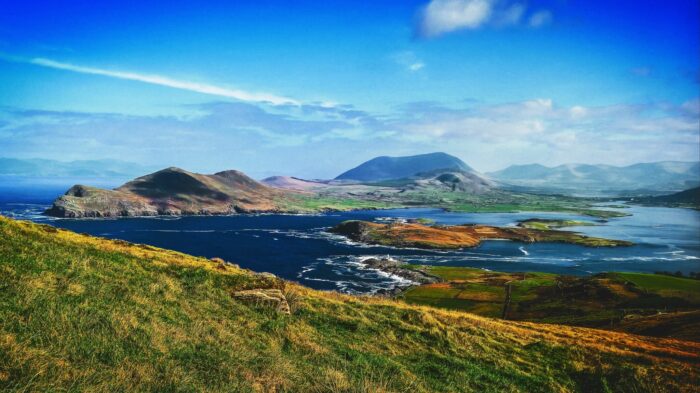
In Ireland, the route largely follows the legendary Wild Atlantic Way, alternating coastal roads, steep cliffs, and colorful villages.
Wales and England
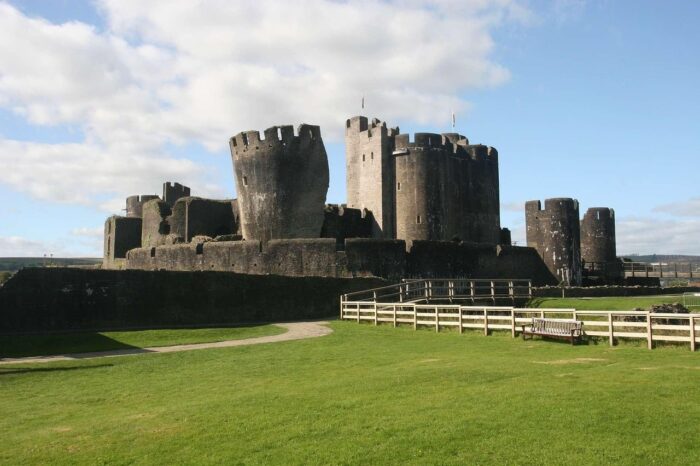
South Wales offers sublime panoramas: estuaries, golden beaches of Swansea Bay, and medieval castles like Caerphilly or Chepstow. In England, the route passes through Bristol, historic sites in Glastonbury and Wells, then the wild landscapes of Exmoor and Dartmoor, before reaching Plymouth, an iconic port city, and the departure point for France.
La Vélodyssée
From Roscoff to Nantes: Inland Brittany and Medieval Heritage
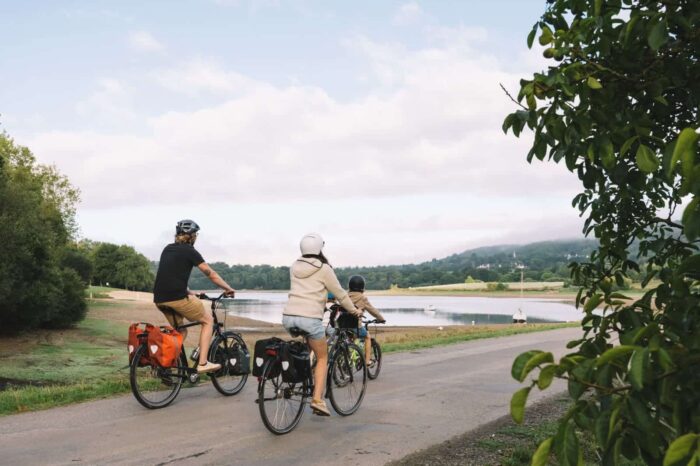
In France, EuroVelo 1 becomes La Vélodyssée, a 1,300 km cycling route, 76% traffic-free, connecting Roscoff to Hendaye.
From Roscoff, a charming Breton fishing port with white sandy beaches, you follow wooded greenways, cross the Monts d’Arrée with their wild heathlands, and reach Lake Guerlédan in Mûr-de-Bretagne before following the Nantes-Brest Canal. Medieval treasures punctuate the route: Josselin with its Gothic castle and half-timbered houses, and the historic heart of Pays de Rohan.
Continue along river valleys through preserved rolling countryside and the Nantes-Brest Canal. Arrival in Nantes, the City of the Dukes of Brittany and former Breton capital, marks a transition between riverine heritage and a dynamic urban atmosphere.
From Nantes to La Rochelle: Estuary, Marshes, and Ocean
Along the estuary, part of both La Vélodyssée and La Loire à Vélo, contemporary art punctuates your ride. The route then returns to the ocean, following the tides.
After the beaches of Saint-Brévin, the coves of Pornic, and the oyster ports of Vendée, you pass pine forests, dunes, and protected marshes, true bird sanctuaries. Pedal between the Olonne forest and former salt marshes to reach Les Sables-d’Olonne via the marina, Port Olona.
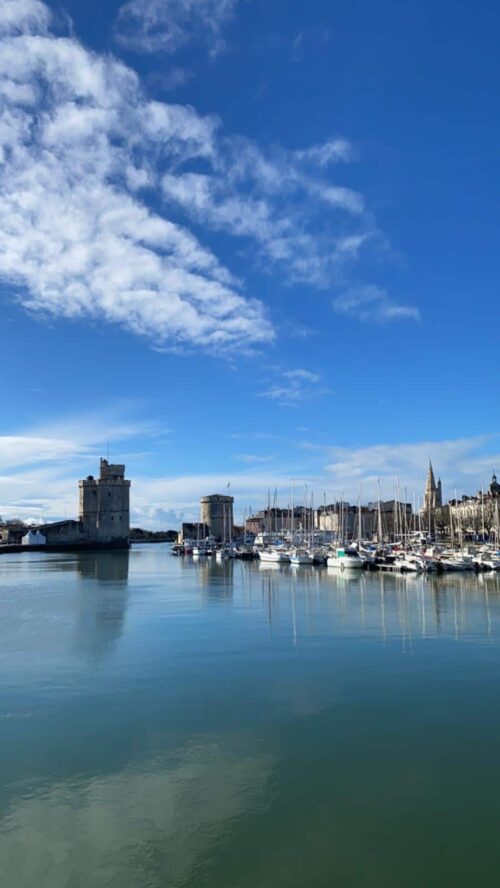
A dreamlike path runs close to the sea, beaches, and rocky coves, backed by a magnificent pine forest. Vast stretches of marshes and farmland dotted with farms and huts lead to Marans, and then the canal to La Rochelle provides a succession of aquatic landscapes. The famous towers of the Old Port welcome you with a unique maritime atmosphere.
From Charente to the Basque Country: Dunes, Forests, and Basque Culture
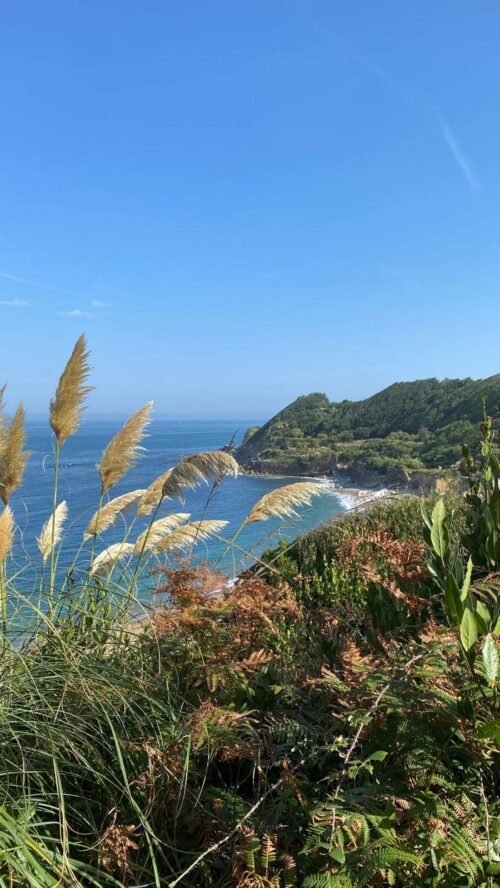
Your cycling journey continues inland to the Charente banks and the beautiful towns of Rochefort, Marennes, and the salt marshes. Discover Royan and its Belle Époque villas before crossing the estuary by boat to Le Verdon.
In Gironde, a new world unfolds. La Vélodyssée winds among ocean beaches, lakes, and pine forests to Lacanau-Océan and the Arcachon Basin, oyster kingdom.
In the Landes, shaded bike paths, surf villages, and pine forests lead to Biscarrosse and Contis with its black-and-white striped lighthouse. Then, the Basque Country reveals its villages with white and red façades, including Bayonne, a City of Art and History with its Feria. Before a majestic finish in Saint-Jean-de-Luz and Hendaye, the French endpoint of La Vélodyssée, visit elegant Biarritz, prized by surfers for its magnificent beaches.
Towards Spain and Portugal
From Hendaye, the route continues to Pamplona, crosses several Spanish regions rich in Roman heritage, and then reaches Portugal. From the Algarve to Lisbon, golden beaches, secret coves, and historic cities like Faro, Coimbra, and Porto conclude this fabulous Atlantic journey.
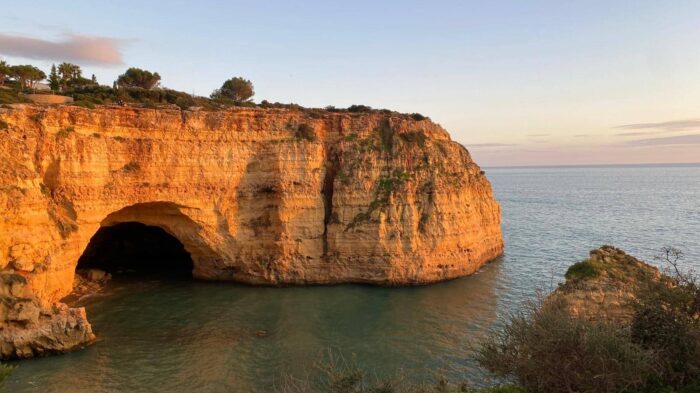
EuroVelo 1 – Atlantic Coast Route is more than just a cycling route: it is a full crossing of Atlantic Europe, from North Cape in Norway to Portugal, over 11,150 km. It offers an exceptional diversity of landscapes, blending fjords, cliffs, wild beaches, estuaries, marshes, and coastal forests, always guided by the presence of the ocean.
EuroVelo 1 also seduces with its soothing rhythm, alternating ports, fishing villages, and vast natural spaces. From Nordic landscapes to the gentle French scenery of La Vélodyssée and Iberian light, each country asserts its identity. Accessible and well-equipped, this route suits both beginners and experienced travelers. It embodies slow, free tourism, with the Atlantic as the guiding thread of a deeply refreshing journey.
EuroVelo 6 – From the Atlantic to the Black Sea
EuroVelo 6 connects the Atlantic Ocean to the Black Sea over 4,450 km, following three legendary rivers: the Loire, the Rhine, and the Danube.
With its low elevation, safe greenways, and excellent signage, it is one of Europe’s most accessible and popular cycling routes.
The famous sections along the Loire and Danube are known worldwide. In France, you can enjoy top wines while cycling through vineyards. In Vienna, visit the most beautiful museums, and in Serbia, experience the hospitality of the locals!
It is an ideal route to discover the continent by bike gently, crossing a mosaic of landscapes, cultures, and gastronomic traditions.
The Loire à Vélo
From Nantes to Nevers – Castles and Lifestyle
Between Nantes and Nevers, the Loire unfolds one of Europe’s most beautiful cycling routes. The river, still wild in places, winds between wooded islands, sandbanks, and historic levees. This exceptional cultural landscape is a UNESCO World Heritage site for the harmony between nature and built heritage.
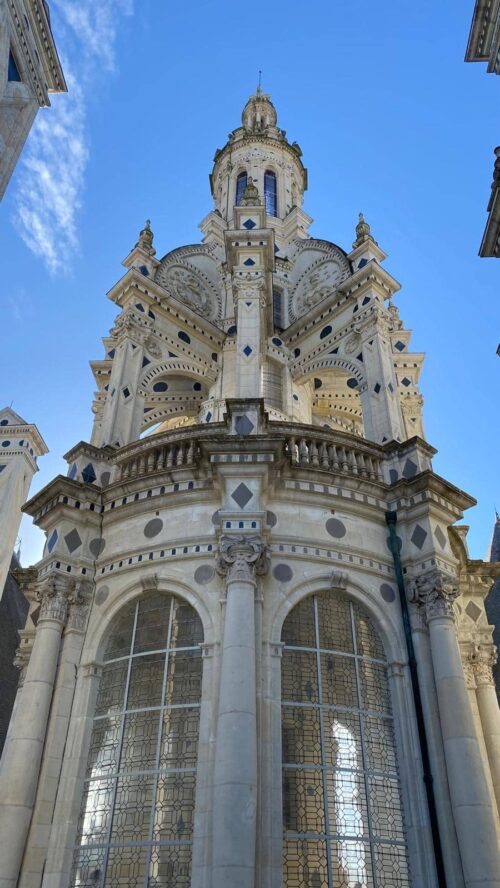
The Loire castles punctuate the route, turning each stage into a journey through history. From the imposing Château de Chambord, a Renaissance masterpiece known for its double-spiral staircase, to the Gothic-Renaissance-classical façades of Château de Blois, French monarchy is narrated along the river. At Amboise, the royal château overlooks the Loire and recalls Leonardo da Vinci’s influence, while Villandry’s Renaissance gardens create a living tableau with perspectives, geometric vegetable gardens, and panoramic terraces. Downstream, Fontevraud Royal Abbey impresses with its vastness and symbolic strength, before Chinon fortress, overlooking the Vienne, evokes Joan of Arc and France’s historic glory.
Loire Vineyards – A Sensory Cycling Experience
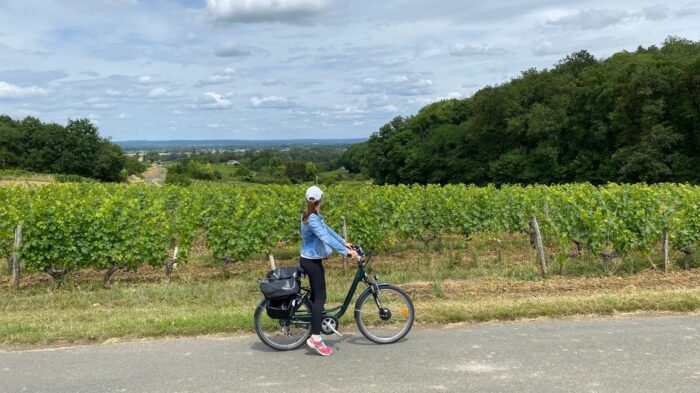
Along La Loire à Vélo, vineyards accompany cyclists and shape the route’s identity. France’s third-largest wine region, the Loire Valley unfolds its rolling hills, Vouvray, Montlouis-sur-Loire, Chinon, Bourgueil, Saumur, and Anjou-Saumur, where vineyards dialogue constantly with the river. Cycling allows for intimate exploration via small roads and towpaths leading directly to winemakers. Troglodyte cellars carved into tuffeau stone reveal ancestral know-how, while Chenin whites, Cabernet Franc reds, and Loire sparkling wines pair perfectly with local gastronomy. Each stage becomes a full culinary experience of tastings, encounters, and joie de vivre.
From Nevers to Basel: Burgundy, Franche-Comté, and Alsace
Leaving Nevers, EuroVelo 6 gradually leaves the Loire to reach Burgundy’s vineyards. You cycle through renowned vineyards, charming villages, and historic canals, a peaceful stretch.
Franche-Comté reveals gentle landscapes, forests, and cities of art and history. Stop at Besançon, nestled in a Doubs loop, the Franche-Comté capital, captivating cyclists with its UNESCO-listed Vauban citadel.
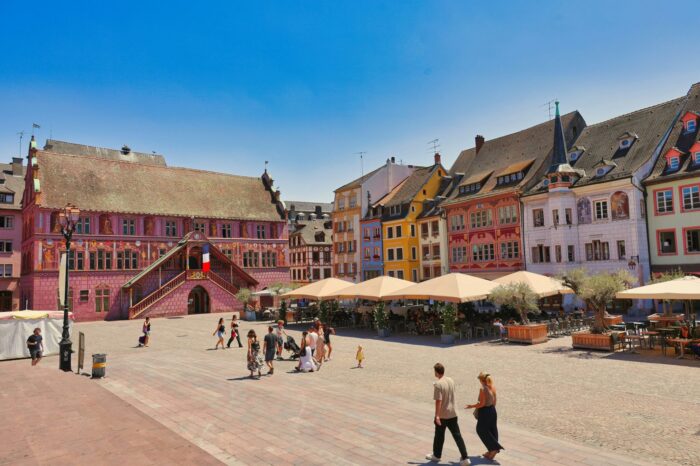
Following the Rhône-Rhine Canal, you enter southern Alsace at Mulhouse, often called the “French Manchester,” for a cultural and gastronomic stop.
Continuing, you cross the Petite Camargue Alsacienne, a protected natural reserve offering a wild interlude perfect for wildlife observation, before crossing the Three Countries Bridge, marking entry into Switzerland.
From the Rhine to the Danube: Germany and Austria
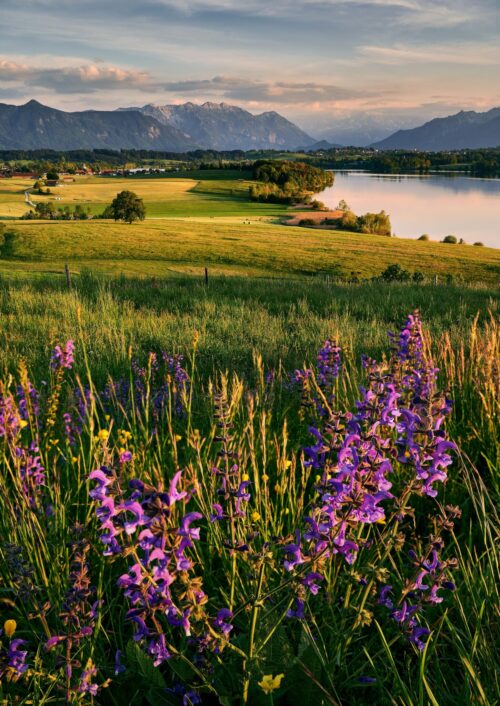
From Basel, the route follows the Rhine to Lake Constance. Before the spectacular Rhine Falls in Schaffhausen, landscapes alternate between vineyards, sunflower fields, and perfectly preserved medieval towns.
In Germany, follow the Danube through Bavaria, where river valleys and baroque villages captivate. Visit Weltenburg Monastery, nestled in a Danube gorge, a spiritual highlight, and Regensburg, a UNESCO Roman city, with its medieval stone bridge.
Along the Danube, the route enters Austria and crosses the Wachau Valley, one of EuroVelo 6’s most emblematic sections, with terraced vineyards, abbeys, and colorful villages along the river. Stop at Linz, a creative city, and Enns, Austria’s oldest town, before reaching Vienna, a major highlight: imperial palaces, prestigious museums, and historic cafés make the Austrian capital an unmissable stop.
From Vienna to the Black Sea: Central and Eastern Europe
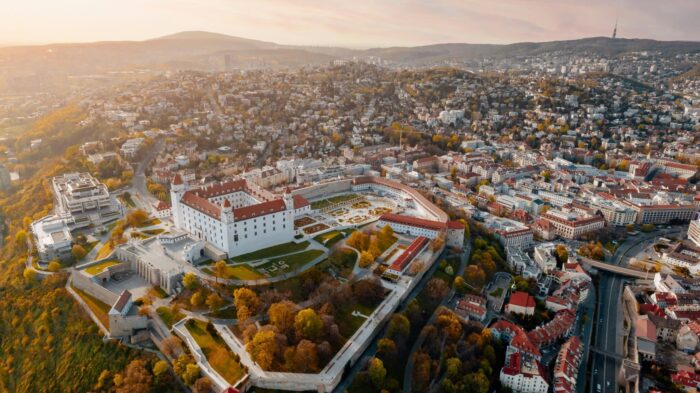
After Vienna, EuroVelo 6 crosses Donau-Auen National Park, a vast preserved wetland, before reaching Bratislava, compact and warm, with its castle overlooking the Danube. The route continues along the river, crossing Hungary and Budapest, where Buda and Pest reflect in a spectacular setting of thermal baths, illuminated bridges, and Parliament. Further south, the path crosses Croatia, Serbia, and Romania via Duna-Drava National Park, reaching the impressive Iron Gates gorges between the Carpathians and Balkans, ending at Constanta on the Black Sea. Cyclists can extend their adventure into the Danube Delta, a UNESCO natural site and biodiversity sanctuary.
Accessible, cultural, and breathtaking, EuroVelo 6 offers a unique cycling experience where nature and heritage meet at every stage. From bucolic landscapes to majestic rivers, every pedal stroke promises discoveries and unforgettable memories. Prepare for a complete adventure combining relaxation, exploration, and wonder.
EuroVelo 3 – Pilgrim’s Route
Are you looking for a touch of culture for your next cycling trip? EuroVelo 3 is the route for you!
Along this route, you will discover some of Europe’s most famous pilgrimage roads. Stretching approximately 5,600 km and crossing seven countries, you can visit some of the continent’s most impressive religious buildings, including the magnificent cathedrals of Cologne, Aachen, and Santiago de Compostela.
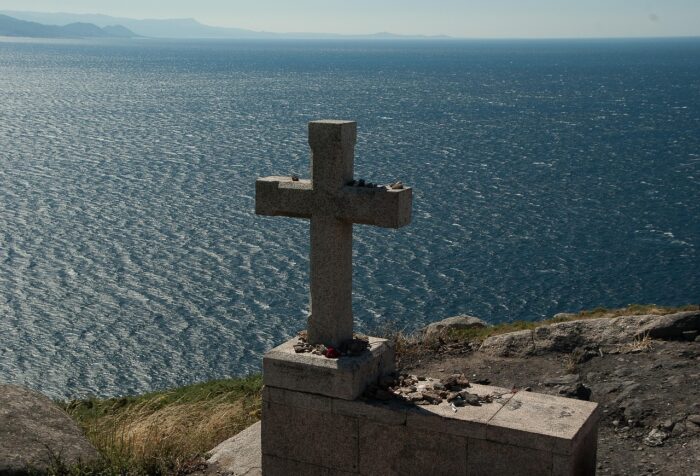
Along the way, you will pass through numerous cities famous for their lively nightlife, such as Hamburg, Liège, and Paris. The route ends at Cape Finisterre, long considered the edge of the known world.
From Nordic Lands to Major Pilgrimage Routes
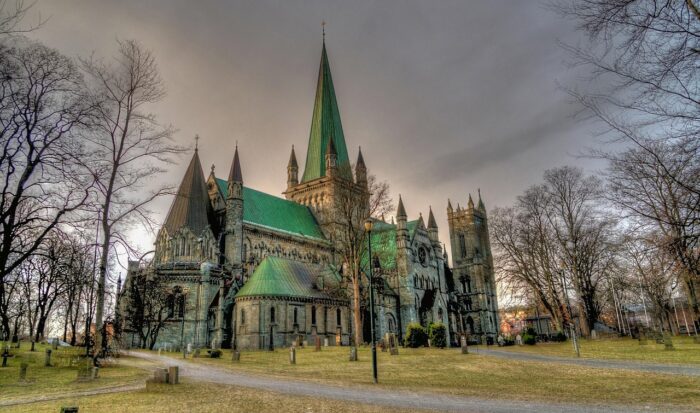
The journey begins in Trondheim, Norway, an iconic pilgrimage city centered around Nidaros Cathedral. Stroll through its colorful streets along the Trondheimsfjord, Norway’s longest fjord, before taking the first stages through fjords and forests toward Sweden, then Denmark via ferry.
In Denmark, EuroVelo 3 follows the ancient Hærvejen, a 500 km millennial pilgrimage road. The paths wind among burial mounds, runestones, and deep forests such as Troldeskoven, where twisted trees create a striking spectacle. Hald Lake, a remnant of the Ice Age, reveals one of the country’s most spectacular landscapes.
Heading to Germany, the route follows several historical Jakobswege. Hamburg, nicknamed the “Venice of the North,” marks a vibrant stop before reaching Cologne.
This section follows three historic pilgrimage routes in Germany: Jakobsweg Via Baltica, Jakobweg in Westfalen, and Nordheinische Jakobswege. Cologne Cathedral, a UNESCO World Heritage site visited by millions of pilgrims each year, is a major spiritual highlight, followed by Aachen, another key center of European pilgrimage.
Belgium: A Gentle Transition to France
In Belgium, EuroVelo 3 peacefully follows the Meuse, providing a soft and verdant transition. Liège, Huy, Andenne, and Namur punctuate the journey, combining architectural heritage, tranquil riverbanks, and comfortable bike paths. This section, at the crossroads of Latin and Germanic cultures, gradually prepares the cyclist for the grand French crossing.
France – The Scandibérique
The Beating Heart of EuroVelo 3
With over 1,700 kilometers, the French section of EuroVelo 3, called La Scandibérique, is one of the richest and most varied stretches of the route.
The journey begins in Maubeuge, where Vauban fortifications provide a majestic setting, before the greenway quickly enters the Avesnois, alternating hedgerows, forested areas, peaceful lakes, and green valleys—an ideal first stage for disconnecting and fully enjoying the cycling journey.
Following the Oise, the route passes through bucolic landscapes where river heritage is revealed at every turn: locks, canal bridges, mills, and historic towpaths. Overlooking the valley, Guise Castle reminds of the strategic importance of these lands, while the valley, nicknamed by Stevenson “the Golden Valley,” offers vast wetlands and sunlit meadows—perfect for a cycling journey immersed in nature.
The forest paths of Laigue and Compiègne offer total immersion in nature before reaching the gates of Île-de-France. Arrival in Paris is gentle, via landmarks such as the Canal Saint-Martin and Parc de la Villette. A pause in the capital is recommended before heading south.
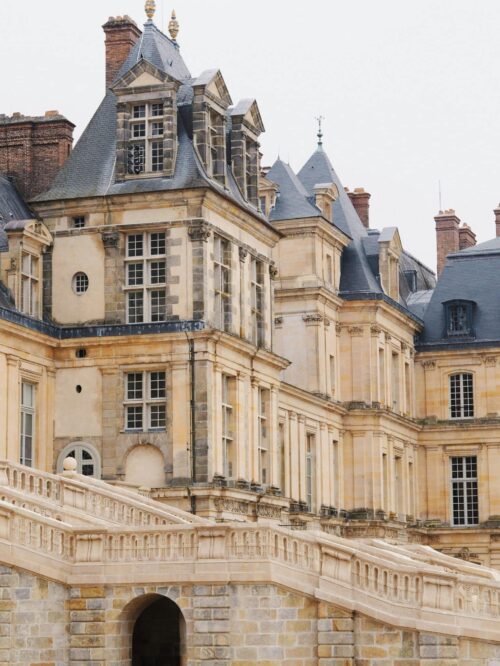
La Scandibérique then leads to Fontainebleau, whose UNESCO-listed château reflects centuries of royal and imperial history. Continuing along the canals, the route joins La Loire à Vélo via the spectacular Briare aqueduct. Cyclists then enter the Loire Valley, a cultural landscape recognized as a UNESCO World Heritage site.
From Sully-sur-Loire to Orléans, then to Blois, Chaumont-sur-Loire, Amboise, Renaissance castles, vineyards, and the royal river form a true postcard landscape. Further south, La Scandibérique leaves the Loire to traverse vineyard-covered hills, the valleys of the Vienne and Charente, and finally Gironde.
Arrival in Bordeaux marks a major cultural stage. After exploring the city and its heritage, the route crosses the Entre-deux-Mers and the Pessac-Léognan vineyards, before entering the wild landscapes of the Landes. Heather, pines, and small bucolic roads guide cyclists toward the Basque Country.
From the Pyrenees to Santiago de Compostela
Approaching Saint-Jean-Pied-de-Port, pilgrimage symbols multiply: chapels, crosses, hospices, and memory-laden villages. Crossing the Pyrenees via Roncesvalles marks entry into Spain and the legendary Camino Francés. Pamplona, Burgos, León, and finally Santiago de Compostela, a UNESCO World Heritage site, punctuate this last crossing. For the most persevering, the adventure continues to Cape Finisterre, facing the Atlantic Ocean.

EuroVelo 3 – Pilgrims’ Route is a unique cultural and spiritual cycling adventure. Stretching 5,600 km, it links Scandinavia to Cape Finisterre in Spain, crossing seven countries and numerous iconic historical and religious sites, from the cathedrals of Trondheim, Cologne, and Aachen to Santiago de Compostela. From Norway to the Pyrenees and beyond, the route combines Nordic fjords, forests, historic roads, and French valleys dotted with Renaissance castles, vineyards, and picturesque villages. Accessible and cultural, this cycle route invites you to discover Europe’s history, spirituality, and varied landscapes, offering a unique and deeply immersive experience at every stage.
Whether you choose EuroVelo 1, EuroVelo 3, or EuroVelo 6, each route offers a unique and complete cycling experience across Europe. These iconic routes allow travelers to explore the continent at a human pace, blending cultural heritage, spectacular landscapes, and local traditions.
- EuroVelo 1 – Atlantic Coast Route invites you to follow the Atlantic façade, from Norwegian fjords to Portugal’s sunny beaches, passing through historic cities, fishing villages, and exceptional natural sites.
- EuroVelo 3 – Pilgrims’ Route combines spirituality and culture, linking Trondheim to Santiago de Compostela and Fisterra along historic roads lined with cathedrals, castles, and picturesque villages.
- EuroVelo 6 – From the Atlantic to the Black Sea offers a unique riverine adventure along the Loire, Rhine, and Danube, interspersed with vineyards, imperial cities, and breathtaking natural landscapes.
All these routes share the same promise: freedom, discovery, and immersion. They allow you to experience Europe differently, crossing its regions, cultures, and histories while enjoying varied landscapes and authentic encounters. Whether for long journeys or flexible stages, EuroVelo offers accessible, enriching, and deeply transformative experiences.
By choosing one of these routes, the cyclist does more than pedal: they travel through time, history, and the diversity of the Old Continent, making every kilometer a memorable and unforgettable adventure.