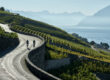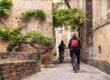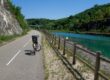
Exploring French vineyards by bicycle means choosing a different way to travel: slower, more sensory, more intimate. Far from classic itineraries, cycling allows you to connect landscapes, heritage, and winemaking expertise in a single movement. Each region reveals its identity through its relief, architecture, gastronomy, and emblematic grape varieties. From the northeast to the southwest, from chalky hillsides to sunlit slopes, these wine routes offer an experience where the gentle effort of pedaling enhances the discovery of great terroirs. The journey then becomes a guiding thread between nature and culture, tradition and pleasure.
Alsace: the softness of grape varieties and picturesque villages
Cycling in Alsace means immersing yourself in a landscape where hills roll gently, vineyards stretch as far as the eye can see, and each village seems suspended in time. The stay often begins in Strasbourg, where one can stroll along the Ill River and discover the cobbled streets of Petite France. From the first pedal strokes outside the city, villages with half-timbered houses appear, nestled between hillsides, and the scent of ripe grapes fills the air.
The route follows the Alsace Wine Route, a legendary itinerary where vineyards are omnipresent. The days unfold between 35 and 50 km, an ideal distance to enjoy every stop. You pass through Riquewihr, famous for its colorful houses and picturesque streets, before reaching Ribeauvillé, where family cellars open their doors to showcase lively and mineral Riesling, spicy Gewurztraminer, and full-bodied, generous Pinot Gris. Tastings often take place in authentic locations, far from tourist circuits. They tell the story of the terroir.
Along the stages, the landscapes subtly change. In the plains, villages are surrounded by orchards and cornfields, while on the hillsides the vines seem to cling to the slopes, offering breathtaking panoramas. Eguisheim is an essential stop to admire medieval charm and taste the finesse of Sylvaner or Muscat, light and aromatic. Evenings are often spent in small winstubs, where local specialties are enjoyed: choucroute garnie, baeckeoffe, or tarte flambée, accompanied by the wines tasted during the day.
Wines of the region:
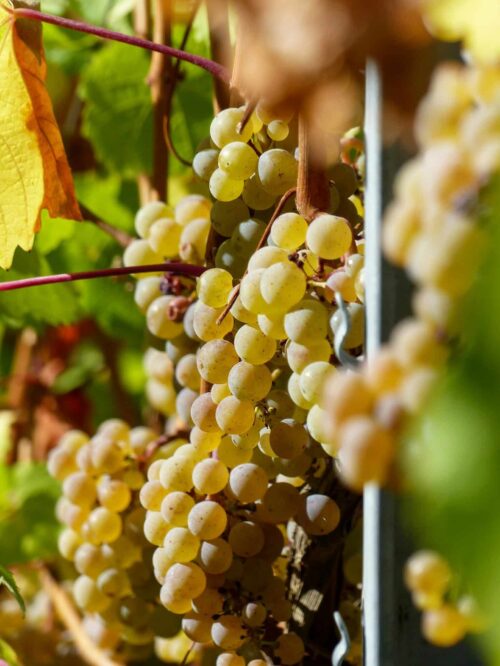
Alsace is renowned for its aromatic white wines, often single-varietal, which reflect the unique terroir of the region.
- Riesling: lively and mineral, perfect with fish or seafood dishes.
- Gewurztraminer: powerful, floral and spicy, ideal with cheeses or Asian cuisine.
- Pinot Gris: rich and velvety, pairs well with refined dishes.
- Sylvaner: lighter and fresher, easy to enjoy as an aperitif.
- Muscat: fragrant, with aromas of fresh grapes.
The region also offers some light red wines made from Pinot Noir, often delicate and fruity.
This cycling stay is not only a sporting adventure, it is an immersion into Alsatian culture, where each village, cellar, and vineyard tells a different story. It is a subtle blend of gastronomy, wine, and architectural heritage.
Bordeaux: on the roads of the great crus
The Bordeaux region represents the refinement of wine travel by bicycle. As soon as you leave Bordeaux, the roads become quieter. Vineyards stretch endlessly, punctuated by imposing châteaux and small family estates. The route can begin in the Médoc, with Margaux and Pauillac. The kilometers follow one another between perfectly aligned rows of vines, dirt paths, and small roads bordered by pine and cypress trees. Each stage is designed to alternate effort and pleasure: cycling in the morning, visiting a château and tasting its wines in the afternoon, then enjoying the sunset over the vineyards before reaching your accommodation.
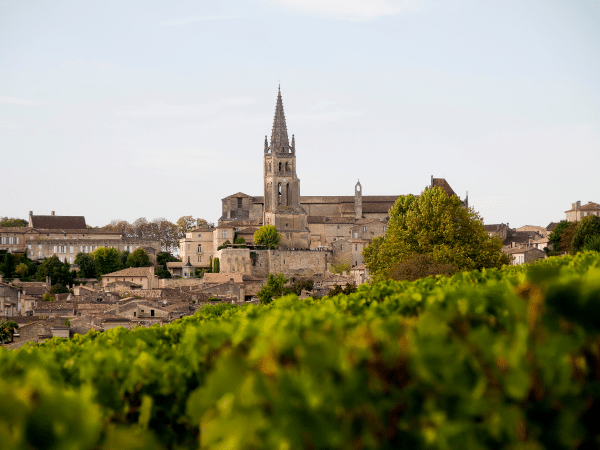
In Saint-Émilion, cobbled medieval streets and UNESCO-listed monuments give a historical dimension to the journey. The red wines, with notes of red fruit, spices, and wood, are tasted in cellars often located in historic buildings. Pomerol and Fronsac offer rounder and more accessible wines, while Saint-Estèphe and Saint-Julien captivate with their structure and intensity.
The stay also allows the discovery of local gastronomy. A lunch on a terrace overlooking the vineyards, a dinner based on duck or game accompanied by a vintage Pauillac, or simply a gourmet break with a cheese platter and a Pomerol, make every day memorable. The cycling experience makes the discovery more authentic: you cross the vineyards, you feel the terroir, you see the seasons marking the rows of vines.
Iconic wines:
- Médoc: powerful and elegant red wines. The most renowned appellations include Margaux, with fine and floral tannins, and Pauillac, more structured and intense.
- Saint-Estèphe and Saint-Julien: robust and tannic, perfect for aging.
- Pomerol and Fronsac: round and silky red wines, often based on Merlot, more approachable when young.
- Saint-Émilion: a UNESCO-listed heritage site, its fruity and complex red wines pair perfectly with meat or slow-cooked dishes.
The Bordeaux region, with its great crus, majestic châteaux, and picturesque villages, offers a stay where physical effort and the pleasure of wine combine perfectly.
Champagne: cycling between hillsides, bubbles, and historic villages
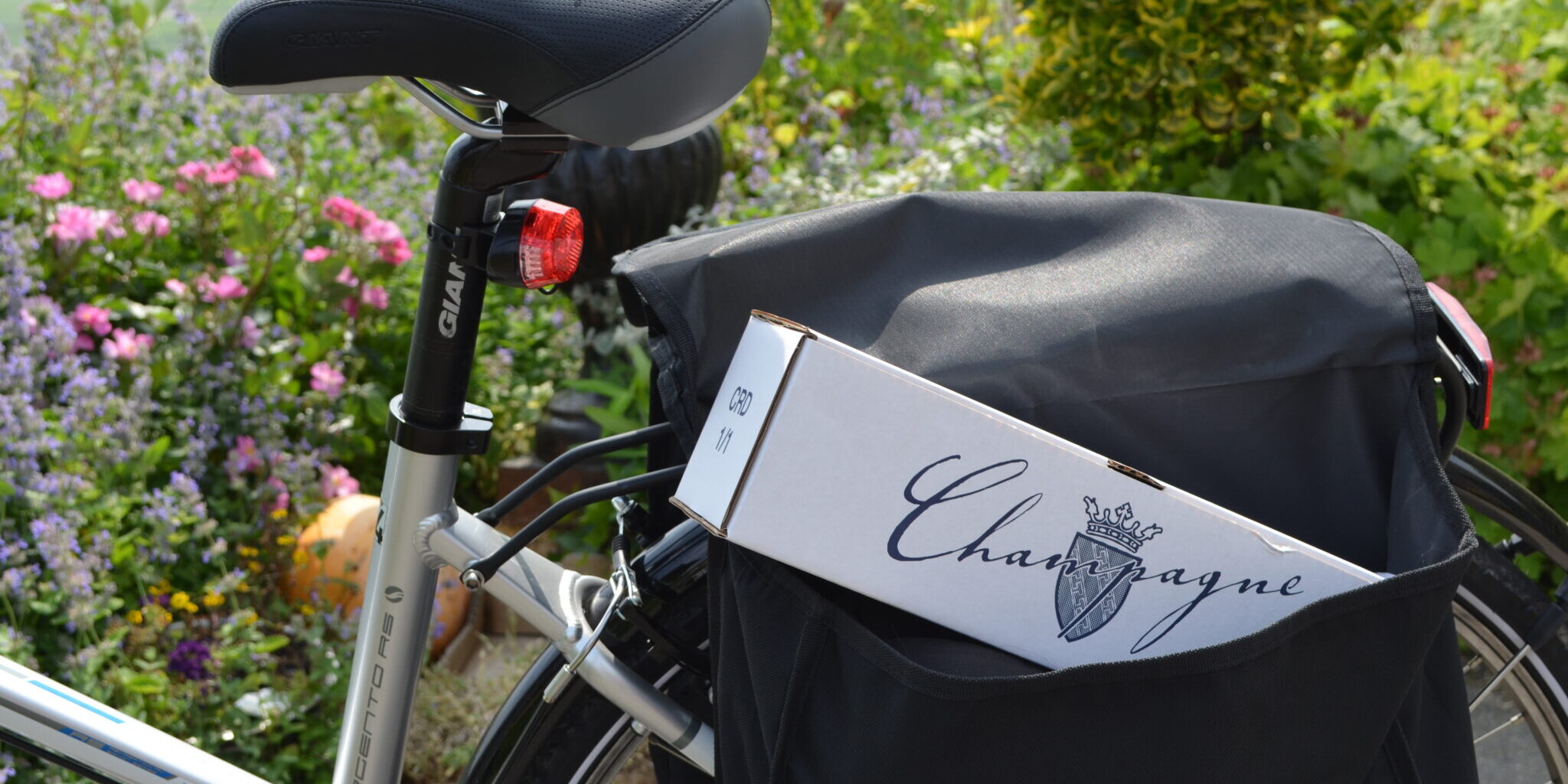
In Champagne, the cycling journey unfolds among vine-covered hills, picturesque villages, and historic cellars. The itinerary connects Épernay and Reims, but also ventures into smaller, lesser-known villages where authenticity remains intact. The hillsides are planted with Chardonnay and Pinot Noir, giving birth to Champagne wines, refined and mineral thanks to chalky soils.
Champagne Brut, dry and elegant, is enjoyed at each stage. These are often accompanied by explanations of the winemaking process. Rosé, fruity and indulgent, is savored as an aperitif. Vintage Champagnes reveal the aromatic richness of an exceptional year. Blanc de Blancs and Blanc de Noirs allow the discovery of the subtlety of the terroir.
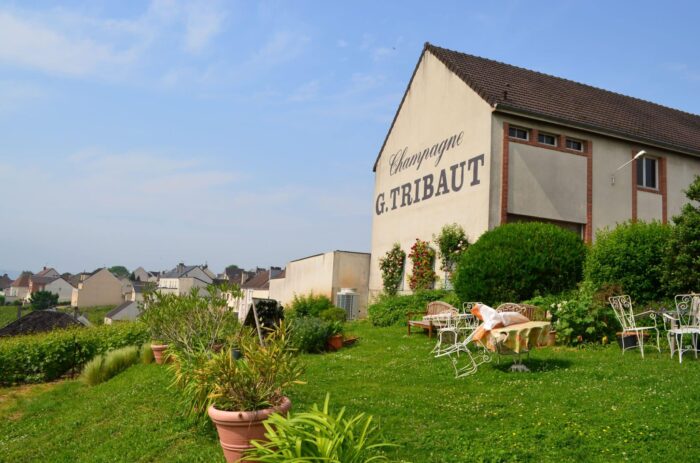
The cycling journey passes through villages with stone houses and ancient churches, as well as exceptional panoramas. Stages range from 30 to 50 kilometers, allowing travelers to appreciate the landscapes, stop in cellars for in-depth tastings, and enjoy gastronomic breaks in local restaurants.
Wines of the region:
- Champagne Brut: dry and elegant, perfect for special occasions.
- Champagne Rosé: fruity and indulgent, ideal as an aperitif.
- Vintage Champagne: more complex, reflecting an exceptional year.
- Blanc de Blancs / Blanc de Noirs: wines made from Chardonnay or Pinot Noir grapes, each revealing the terroir in a unique way.
Burgundy: a journey to the rhythm of the Côte de Nuits and Côte de Beaune
Burgundy is a land where every hill, every village, and every row of vines tells the story of a prestigious wine. Cycling routes cross the Côte de Nuits, Beaune, Cluny, and the Mâconnais, offering rolling landscapes, medieval villages, and panoramas stretching to the horizon. Pinot Noir and Chardonnay are the stars of these lands, revealing all the subtlety and finesse of a terroir shaped by centuries of winemaking tradition.
The stages often begin with a visit to a cellar or a family estate, where the processes of winemaking, storage, and aging are discovered. The Côte de Nuits produces powerful and elegant reds, with fine tannins and complex aromas. The white wines of Beaune, such as Meursault or Puligny-Montrachet, are rich and mineral, perfect for accompanying local gastronomy. The routes through medieval villages and winding country roads allow cyclists to see the vineyards up close and understand the diversity of Burgundy’s “climats.”
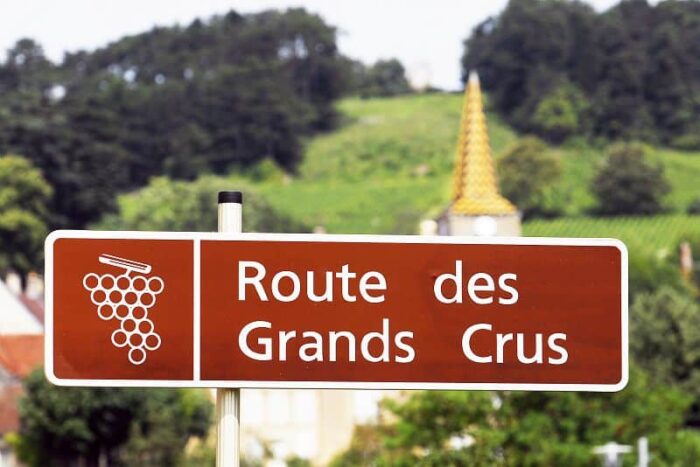
Each day of cycling is punctuated by sensory and cultural discoveries. After a few kilometers climbing the hillsides, the landscapes open onto valleys dotted with sun-lit vineyards. You stop to taste a wine in an underground cellar, admire medieval houses, and enjoy a typical Burgundian lunch.
Burgundy wines:
- Côte de Nuits: famous for Pinot Noir, with prestigious appellations such as Gevrey-Chambertin, Vosne-Romanée, and Nuits-Saint-Georges. Fine tannins and great aromatic complexity.
- Côte de Beaune: mainly Chardonnay, with white wines such as Meursault and Puligny-Montrachet. Rich and buttery, perfect with refined dishes.
- Hautes-Côtes and Mâconnais: lighter and fruitier wines, perfect for a tasting during a cycling day without excess.
In Burgundy, cycling becomes a complete immersion into wine culture, where every pedal stroke brings you closer to the authentic taste of the terroir and the beauty of the landscapes, making this stay an unforgettable experience.
Cycling through the heart of French Vineyards
Traveling through the great French wine regions by bicycle is much more than simply covering kilometers between vineyards. It is adopting a rhythm that allows you to understand the richness and diversity of the terroirs. Each destination reveals a unique facet of the national wine heritage, between excellence of the crus, millennia-old history, and the art of living. This type of stay harmoniously combines physical activity, cultural curiosity, and sensory pleasure. An invitation to travel differently, taking the time to appreciate what wine, landscapes, and encounters have most authentic to offer.