France is an unmissable destination for lovers of history, architecture, and cultural heritage. Home to more than 40,000 castles, the country boasts one of Europe’s richest historical legacies. From majestic Renaissance palaces to imposing medieval fortresses, every region reveals remarkable monuments that bear witness to centuries of French history. Some of these castles welcomed France’s greatest monarchs, while others played a strategic role in the conflicts that shaped the nation. Today, they rank among the country’s most visited tourist attractions, captivating visitors with their exceptional architecture, magnificent gardens, priceless art collections, and breathtaking landscapes.
Exploring the most beautiful castles in France is an unforgettable journey through the country’s fascinating past.
Chambord Castle: The Masterpiece of the French Renaissance
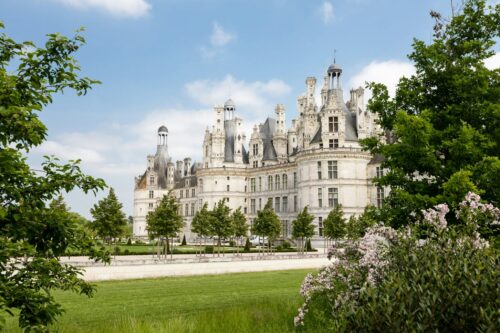
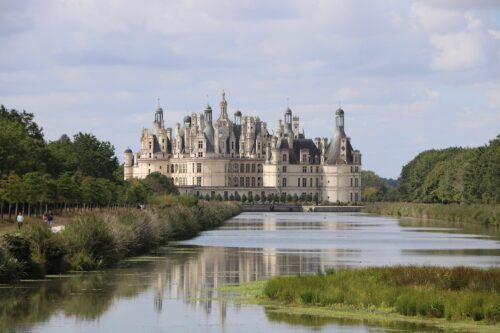
Located in the heart of the Loire Valley, Chambord Castle is undoubtedly one of the most spectacular castles in France. Listed as a UNESCO World Heritage Site, it is also the largest of all the Loire Valley castles. Commissioned by King Francis I in 1519, Chambord was designed to symbolize the power of the French monarchy and the artistic revival inspired by the Italian Renaissance. More than five centuries after its construction, the castle continues to fascinate millions of visitors who come to admire its extraordinary architecture. Far more than a royal residence, Chambord is a monumental work of art. Its vast forest estate, richly decorated façades, and famous double-helix staircase make it one of the most unique castles in the world. Visiting Chambord offers the opportunity to discover the history of French kings while enjoying an exceptional natural environment.
A Unique Architectural Masterpiece
From the moment visitors arrive, Chambord impresses with its monumental scale. Measuring nearly 160 meters (525 feet) across its façade, the castle features more than 440 rooms, 282 fireplaces, and dozens of staircases, making it one of the largest palaces ever built in France. Its architecture blends traditional French medieval design with elegant Italian Renaissance influences.
Massive towers, ornate lanterns, sculpted dormer windows, and elaborately decorated rooftops create a silhouette that is instantly recognizable. From the terraces, visitors enjoy spectacular panoramic views over a breathtaking skyline of chimneys and spires, giving the impression of an entire city carved from stone.
The castle is surrounded by an enclosed estate covering more than 5,000 hectares, protected by a 32-kilometer wall, making it the largest enclosed forest park in Europe. Deer, wild boar, and countless bird species roam freely throughout the estate, creating a perfect harmony between nature and cultural heritage.
The double-helix staircase: an engineering marvel
The castle’s most famous feature is undoubtedly its double-helix staircase.
Often attributed to Leonardo da Vinci, who spent the final years of his life in France under the patronage of Francis I, this architectural masterpiece remains one of the most fascinating achievements of the Renaissance. Its ingenious design allows two people to climb or descend simultaneously using separate staircases without ever crossing paths, while still remaining visible to each other through the central opening. More than 500 years after its creation, this remarkable structure continues to amaze architects, historians, and visitors alike, perfectly illustrating the innovative spirit of the French Renaissance.
What to see during your visit
Inside Chambord, visitors gain insight into life at the court of Francis I. The restored royal apartments display elegant furnishings, tapestries, and historical reconstructions that recreate the atmosphere of the 16th century. The terraces are another highlight of the visit.
They offer panoramic views over the estate while allowing visitors to admire up close the hundreds of chimneys and sculptural details that have made Chambord world-famous. Throughout the year, the estate also offers numerous activities. Equestrian shows bring Chambord’s history to life, while cycling, electric buggy rides, and boat trips allow visitors to explore the surrounding landscapes. In autumn, the deer rutting season attracts nature enthusiasts eager to witness one of Europe’s most impressive wildlife spectacles.
Why visit Chambord castle?
Chambord is far more than a historic monument.
It represents the artistic ambition of a visionary king, the extraordinary craftsmanship of Renaissance builders, and the natural beauty of the Loire Valley. Whether you are passionate about history, architecture, photography, or simply looking for one of France’s greatest cultural experiences, Chambord fully deserves its international reputation. Its remarkable heritage, vast natural estate, and wide range of activities make it an essential stop on any journey through the most beautiful castles in France.
Chenonceau Castle: The Romantic Jewel of the Loire Valley
If there is one castle that embodies French elegance, it is Chenonceau Castle. Built directly over the tranquil waters of the River Cher, this extraordinary monument is often regarded as the most romantic castle in France. Its graceful architecture, meticulously maintained gardens, and fascinating history—closely linked to several influential women—have earned it the nickname “The Ladies’ Castle.” Unlike the imposing medieval fortresses or monumental royal palaces, Chenonceau captivates visitors with its perfect balance of architectural refinement and natural beauty. Every detail seems carefully designed to create harmony between the castle, the river, and the surrounding gardens. For centuries, Chenonceau has attracted visitors from around the world, enchanted by its timeless beauty and remarkable history.
A castle built across the river
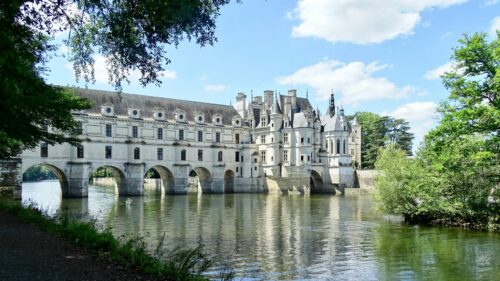
One of Chenonceau’s most distinctive features is its extraordinary location. Its elegant two-story gallery stretches directly across the River Cher, supported by graceful stone arches that create one of France’s most iconic views. Throughout the year, the castle’s reflection on the water creates postcard-perfect scenery.
In spring, blooming trees highlight the monument’s white stone façade. In autumn, vibrant foliage transforms the landscape into a romantic masterpiece. This unique setting makes Chenonceau one of the most photographed castles in France and has greatly contributed to its worldwide reputation.
The fascinating story of the Ladies’ castle
Chenonceau earned its famous nickname because its destiny was shaped by a remarkable succession of influential women. Among them, Diane de Poitiers, the favorite of King Henry II, played a major role in transforming the estate. She commissioned magnificent gardens and turned the castle into an elegant residence where refinement and the art of living flourished. Following the king’s death, Catherine de’ Medici reclaimed the castle and launched ambitious construction projects. Most notably, she built the spectacular gallery spanning the River Cher, which has since become Chenonceau’s defining architectural feature.
This immense reception hall hosted lavish celebrations, royal balls, and diplomatic events that enhanced the prestige of the French monarchy. Over the centuries, other extraordinary women continued to shape the castle’s history. During the 18th century, Louise Dupin established a renowned literary salon that welcomed many of France’s leading intellectuals. During the First World War, the gallery was transformed into a military hospital, once again demonstrating the castle’s remarkable ability to adapt to the events of history. This succession of influential women has given Chenonceau a unique identity. Unlike many royal residences associated primarily with kings, Chenonceau tells the story of powerful women who preserved, transformed, and elevated one of France’s most exceptional monuments.
The magnificient gardens of Chenonceau
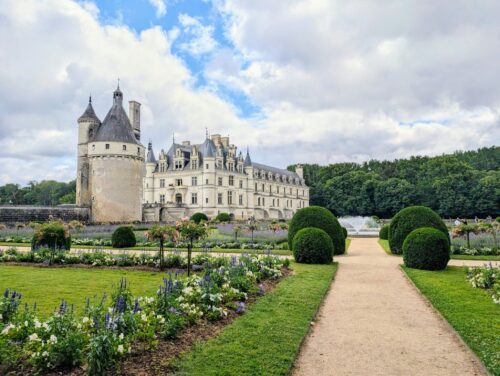
Chenonceau’s gardens are an essential part of the estate’s magic. Upon entering, visitors discover beautifully designed flower beds, tree-lined pathways, and immaculately maintained landscapes that evolve with the seasons. The Garden of Diane de Poitiers, located beside the river, impresses with its geometric design and elegant fountains. The Garden of Catherine de’ Medici, more intimate in character, offers stunning views of the castle’s main façade and is one of the best places to admire its architecture. Floral artistry also plays a central role at Chenonceau.
Every week, the estate’s florists create fresh floral arrangements using flowers grown in the castle’s own gardens and vegetable plots. These bouquets decorate the castle’s rooms, adding elegance and freshness throughout the interior. Visitors who take time to explore the grounds will also discover a hedge maze, a restored 16th-century farm, and a large kitchen garden, highlighting the important role nature played in the lives of the estate’s former owners.
Why visit Chenonceau castle?
Chenonceau appeals equally to history enthusiasts, photographers, and garden lovers. Its elegant architecture, unique position spanning the River Cher, and remarkable history shaped by influential women of the Renaissance make it one of France’s most iconic historic monuments.
- Every season offers a different experience:
- Spring fills the gardens with vibrant colors.
- Summer bathes the castle in sunlight reflected by the river.
- Autumn wraps the estate in brilliant golden foliage.
- Winter creates a peaceful atmosphere ideal for a quieter, more intimate visit.
For many travelers, Chenonceau perfectly represents the ideal French château—elegant, romantic, and deeply rooted in history.
Palace of Versailles: The Ultimate Symbol of French Grandeur
If there is one monument that represents France’s influence and prestige around the world, it is undoubtedly the Palace of Versailles. The former official residence of the French kings for more than a century, Versailles is now one of the world’s most visited cultural landmarks. Its monumental architecture, spectacular gardens, and priceless art collections make it an essential stop for anyone exploring the most beautiful castles in France. When Louis XIV decided to expand the former hunting lodge built by his father, his ambition extended far beyond creating a royal residence. He envisioned a palace that would astonish Europe’s monarchs and showcase the unrivaled power of the Kingdom of France. More than three centuries later, Versailles continues to inspire admiration across the globe.
The Palace of the Sun King
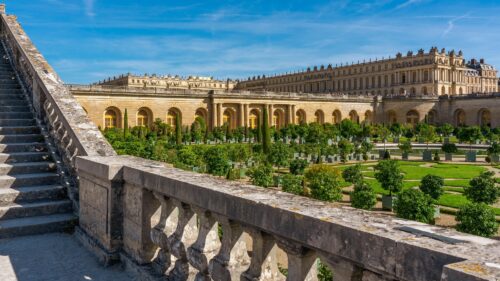
The Palace of Versailles features more than 2,000 rooms spread across several wings. Behind its magnificent classical façades lie richly decorated salons, lavish royal apartments, and grand reception halls where some of the kingdom’s most important political decisions were once made.
Every room tells a chapter of French history.
Painted ceilings, gilded sculptures, monumental chandeliers, and priceless works of art showcase the extraordinary talent of the artists commissioned by Louis XIV. His vision was to make Versailles the ultimate showcase of French craftsmanship and artistic excellence—a goal that remains unmistakably evident today. As visitors explore the King’s Apartments and the Queen’s Apartments, they discover the highly ritualized daily life of the French court, where every action followed strict ceremonial protocol.
The hall of mirrors: a world-famous masterpiece
No visit to Versailles would be complete without experiencing the Hall of Mirrors. Stretching more than 73 meters (240 feet) in length, it is one of the most famous rooms in the world. Its 17 large windows face 17 mirror-covered arches, an extraordinary technological achievement in the 17th century. At the time, mirrors were exceptionally rare and expensive luxury items. Displaying so many in a single room symbolized the immense wealth and power of the French monarchy.
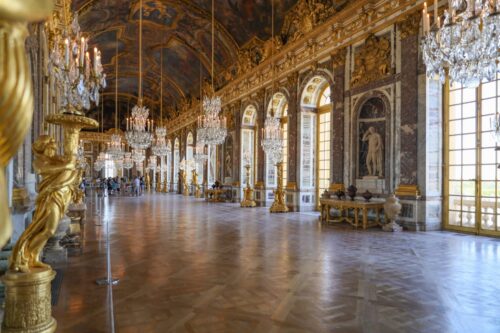
Beyond its architectural beauty, the Hall of Mirrors has also witnessed some of history’s most significant events. It hosted magnificent royal receptions and, in 1919, became the site where the Treaty of Versailles was signed, officially ending the First World War. Today, sunlight pouring through the windows and reflecting across hundreds of mirrors creates an unforgettable spectacle for visitors.
The gardens of Versailles: a landscape masterpiece
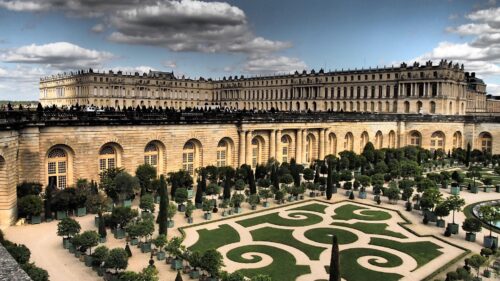
The gardens designed by André Le Nôtre are as famous as the palace itself. Covering hundreds of hectares, they represent the finest example of the classic French formal garden. Every element is arranged with perfect symmetry.
Long, straight avenues lead to vast ornamental ponds decorated with statues, while hidden groves conceal fountains, sculptures, and peaceful walking paths where nature appears perfectly controlled. During the warmer months, the famous Musical Fountain Shows bring the gardens to life as fountains dance to the rhythms of Baroque music, recreating the splendor of the celebrations once held under Louis XIV.
Beyond the main gardens, the estate also includes:
- The Grand Trianon
- The Petit Trianon
The Queen’s Hamlet, where Marie Antoinette escaped the rigid etiquette of court life to enjoy a more intimate and peaceful setting.
Why visit the Palace of Versailles?
Versailles is far more than a royal palace. It is a living testament to France’s political, artistic, and cultural history. Every visit offers deeper insight into the workings of the absolute monarchy and the immense influence France exerted over Europe for centuries. Whether exploring its magnificent state rooms, breathtaking gardens, or historic estates, Versailles delivers an immersive experience unlike any other. Few monuments combine architecture, art, history, and cultural heritage on such a spectacular scale, making Versailles one of the most extraordinary castles in France.
Haut-Koenigsbourg Castle: The Medieval Fortress Overlooking Alsace
Perched 757 meters (2,484 feet) above sea level in the Vosges Mountains, Haut-Koenigsbourg Castle is one of the most impressive medieval fortresses in France. Overlooking the Alsace Plain, it offers breathtaking panoramic views stretching as far as Germany’s Black Forest and, on clear days, even the Swiss Alps. This strategic position explains why the fortress played a crucial role in controlling the trade routes linking northern and southern Europe.
Unlike the elegant Loire Valley châteaux, Haut-Koenigsbourg immediately transports visitors into the world of knights, feudal lords, and medieval warfare. Its imposing silhouette attracts hundreds of thousands of visitors every year eager to explore one of France’s best-preserved historic fortresses.
A remarkably restored medieval fortress
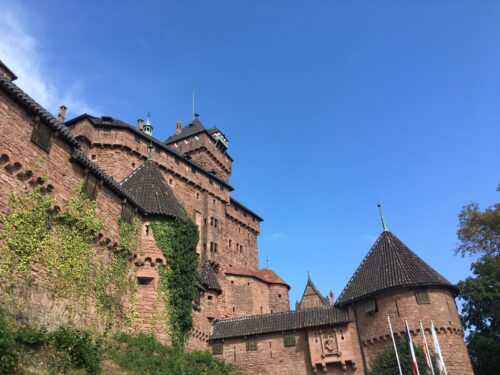
Originally built in the 12th century, the castle enjoyed several prosperous periods before being destroyed during the Thirty Years’ War. For more than two centuries, it remained in ruins until Emperor Wilhelm II ordered its ambitious restoration in the early 20th century.
Thanks to this remarkable reconstruction, visitors can now experience a medieval castle that feels almost untouched by time. Its fortified walls, watchtowers, drawbridges, and armories provide an immersive glimpse into life inside a medieval stronghold.
The lord’s apartments, trophy hall, and medieval kitchens allow visitors to imagine the daily life of those who once lived within its walls. Every room reflects the meticulous attention devoted to the restoration, with period furniture, wooden interiors, weapons, and historical artifacts creating an authentic medieval atmosphere that appeals equally to history enthusiasts and families.
Spectacular views over Alsace
Beyond its historical significance, Haut-Koenigsbourg is equally celebrated for its exceptional natural surroundings. From the ramparts, visitors enjoy sweeping views over the vineyards of Alsace, picturesque half-timbered villages, and the vast forests of the Vosges Mountains. Autumn is especially spectacular, as the surrounding forests turn brilliant shades of gold, amber, and copper. This season is ideal for combining a visit to the castle with a journey along the famous Alsace Wine Route, home to charming villages such as Riquewihr, Ribeauvillé, and Kaysersberg.
Why visit Haut-Koenigsbourg castle?
Haut-Koenigsbourg is one of Europe’s finest examples of a medieval fortress. Its impressive defensive architecture, fascinating historical collections, and breathtaking panoramic views make it an essential destination during any trip to Alsace. It is also one of the few castles where visitors can truly understand how a medieval stronghold functioned, making it an unforgettable experience for anyone interested in history, architecture, or military heritage.
Pierrefonds Castle: A Fairy-Tale Fortress Straight Out of a Storybook
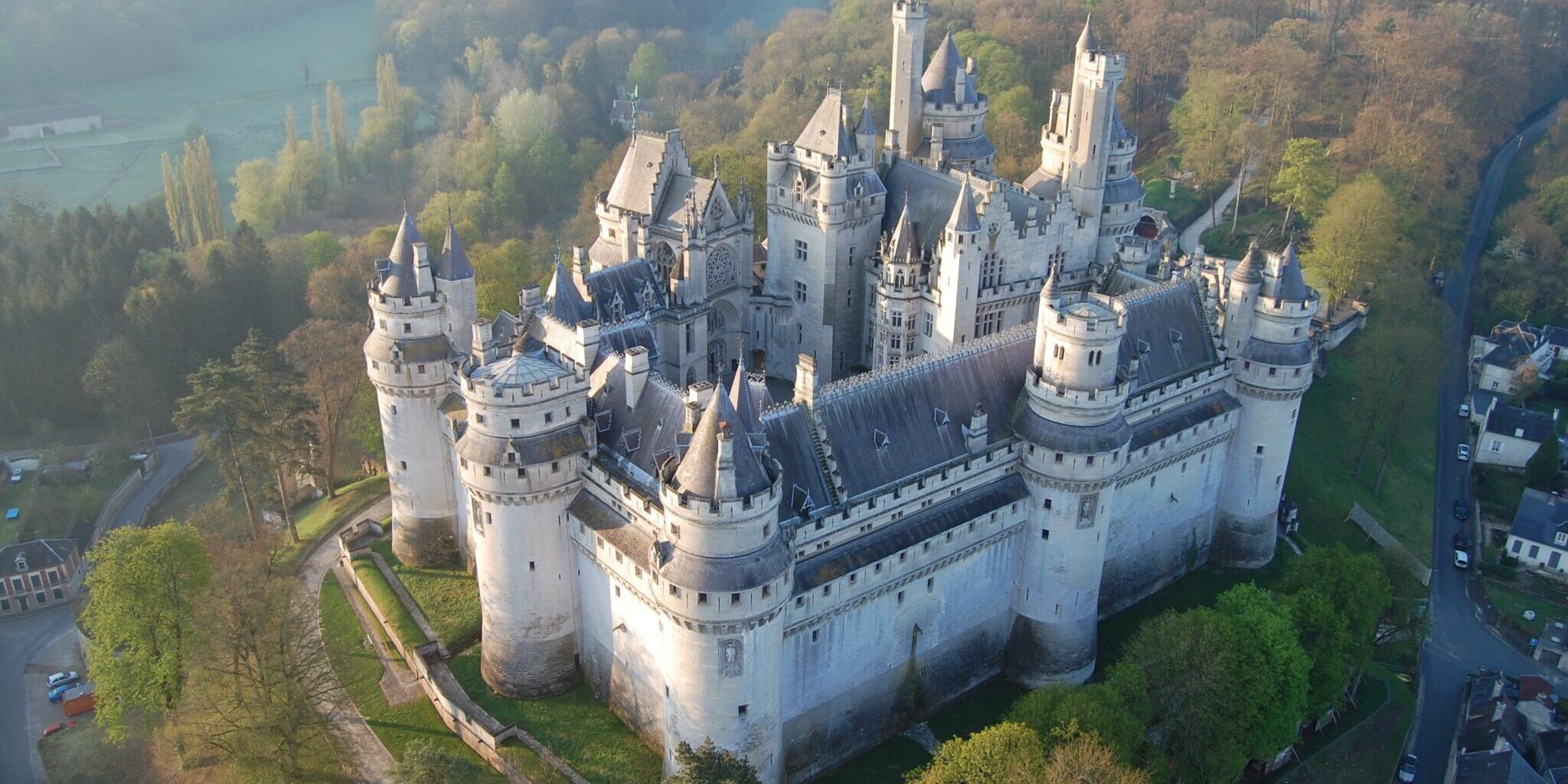
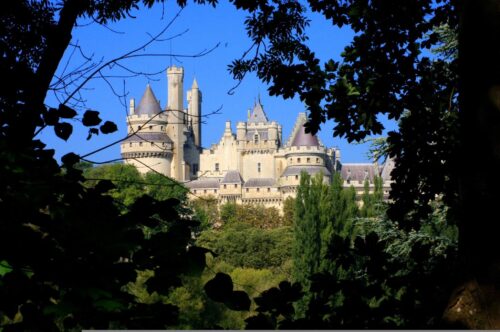
Nestled in the heart of the Compiègne Forest in northern France, Pierrefonds Castle looks as though it has been lifted directly from a fantasy novel. With its soaring towers, crenellated walls, drawbridges, and imposing ramparts, it perfectly matches the image most people imagine when they think of a medieval castle. Yet the magnificent monument visitors admire today is actually the result of a spectacular 19th-century reconstruction led by the renowned architect Eugène Viollet-le-Duc. Commissioned by Napoleon III to restore the ruins of the former fortress, Viollet-le-Duc created a castle that combines historical authenticity with a romantic vision of the Middle Ages.
Spectacular architecture
Pierrefonds makes an unforgettable first impression. Its eight monumental towers, vast inner courtyards, and imposing façades transport visitors back in time. Inside, the lavishly decorated halls showcase Viollet-le-Duc’s extraordinary creativity. Painted ceilings, monumental sculptures, and interiors inspired by medieval legends give the castle a truly unique character. This remarkable reconstruction explains why Pierrefonds is often regarded as the ideal medieval castle—the one that naturally comes to mind when imagining knights, kings, dragons, and fairy tales.
A favorite film and television location
Thanks to its breathtaking appearance, Pierrefonds has become a popular filming location for both French and international productions. The castle gained worldwide recognition as the primary filming location for the hit television series Merlin, introducing millions of viewers to its spectacular architecture. Visitors appreciate both its cinematic appeal and its rich historical significance. Families enjoy an entertaining and immersive experience, while architecture and history enthusiasts discover one of the most ambitious restoration projects of the 19th century.
Why visit Pierrefonds castle?
Pierrefonds offers an experience unlike any other French castle. More than a historical monument, it represents the romantic medieval ideal imagined by one of France’s greatest architects. Its enchanting setting, spectacular architecture, and fairy-tale atmosphere make it an unforgettable destination for visitors of all ages.
Azay-le-Rideau Castle: The Elegant Renaissance Jewel on the Water
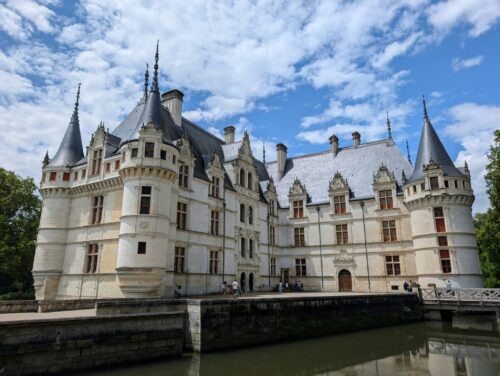
In the heart of the Loire Valley, Azay-le-Rideau Castle immediately captivates visitors with its elegance. Built on an island in the middle of the Indre River, the château appears to float gracefully on the water, creating one of the most poetic settings in France. Although smaller than Chambord or Chenonceau, Azay-le-Rideau enchants visitors with its harmonious proportions and refined Renaissance architecture. Constructed during the reign of Francis I, it beautifully illustrates the fusion of Italian Renaissance influences with traditional French design.
Exquisite Renaissance Architecture
The richly sculpted façades, elegant mullioned windows, and slate roofs combine to create a masterpiece of architectural refinement. Every detail reflects the exceptional craftsmanship of the artisans who built the castle. Inside, beautifully restored apartments reveal how French nobility lived during the 16th century. Decorated ceilings, monumental fireplaces, and antique furnishings create a warm and intimate atmosphere that contrasts with the grandeur of larger royal palaces.
A Romantic Park Perfect for Strolling
The landscaped park surrounding the château invites visitors to slow down and enjoy its peaceful beauty. Centuries-old trees, sweeping lawns, and the castle’s reflections shimmering in the waters of the Indre provide photographers with spectacular viewpoints throughout the estate. Each season transforms the atmosphere of the park. Spring brings lush greenery and vibrant blossoms. Autumn dresses the landscape in magnificent shades of gold and amber.
Why Visit Azay-le-Rideau Castle?
Azay-le-Rideau is widely considered one of the most elegant castles in the Loire Valley. Its intimate scale, peaceful surroundings, and refined Renaissance architecture make it an ideal destination for travelers wishing to experience a more graceful and tranquil side of French heritage.
Vaux-le-Vicomte Castle: The Palace That Inspired Versailles
Before the Palace of Versailles became the ultimate symbol of royal power, another estate had already astonished the French nobility: Vaux-le-Vicomte Castle. Located in the Seine-et-Marne department, it is regarded as one of the finest examples of 17th-century French Classical architecture. Built for Nicolas Fouquet, Superintendent of Finances under Louis XIV, the château brought together three of France’s greatest artistic talents:
- Architect Louis Le Vau
- Painter Charles Le Brun
- Landscape designer André Le Nôtre
Together, they created a residence of extraordinary harmony and elegance. The result was so magnificent that it aroused the jealousy of Louis XIV, who later recruited the same creative team to build the Palace of Versailles.
An Elegant Masterpiece
Vaux-le-Vicomte impresses visitors with its perfect balance, symmetry, and refined proportions. Its lavish reception rooms, painted ceilings, and breathtaking perspectives offer a remarkable glimpse into the luxurious lifestyle of the French aristocracy during the 17th century. The château’s magnificent central dome dominates the estate and provides one of its most iconic architectural features. Visitors who climb to the top are rewarded with spectacular panoramic views over the gardens.
Gardens That Revolutionized Landscape Design
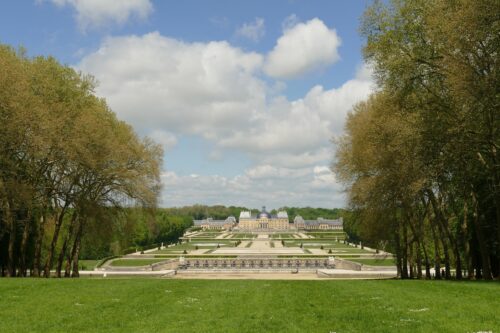
The gardens designed by André Le Nôtre transformed the history of landscape architecture. Long perspectives, ornamental pools, sculptures, fountains, and carefully designed water features create an extraordinary sense of grandeur that continues to inspire gardens throughout Europe. During summer, the famous Candlelit Evenings offer one of France’s most magical visitor experiences. As night falls, thousands of candles illuminate the château and its gardens before a spectacular fireworks display lights up the sky.
Why visit Vaux-le-Vicomte?
Far less crowded than Versailles, Vaux-le-Vicomte offers a more peaceful and intimate experience while showcasing one of France’s greatest architectural masterpieces. Its fascinating history, elegant architecture, and magnificent gardens make it an essential destination for anyone passionate about French heritage.
The Citadel and Count’s Castle of Carcassonne: A Journey into the Heart of the Middle Ages
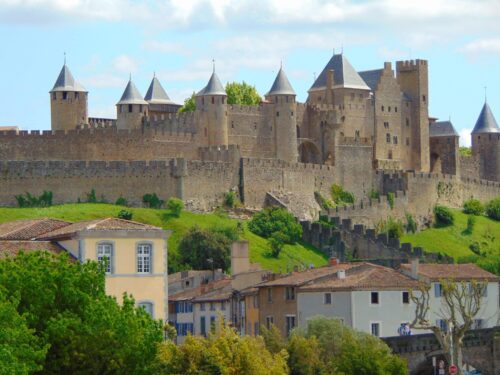
Overlooking the famous fortified city of Carcassonne, the Count’s Castle (Château Comtal) is one of the finest examples of medieval military architecture in Europe. Surrounded by imposing defensive walls reinforced by 52 towers, it transports visitors centuries back in time. Listed as a UNESCO World Heritage Site, Carcassonne welcomes millions of visitors each year who come to stroll through its cobbled streets, admire its mighty fortifications, and discover the fascinating history of this remarkable stronghold.
A fortress steeped in history
The Count’s Castle was built during the 12th century to strengthen the city’s defenses. Over the centuries, it was expanded and modernized to withstand the numerous attacks that threatened the region. Visitors can walk along the ramparts, explore exhibitions dedicated to medieval warfare, and admire the sophisticated defensive systems that once protected the city. From fortified towers to strategic battlements, every part of the castle reflects the ingenuity of medieval military engineering.
An Immersive Medieval Experience
Unlike many historic monuments, Carcassonne offers far more than a single castle. The entire medieval citadel provides a complete journey into the past. Its narrow cobbled streets, artisan workshops, traditional restaurants, and historical reenactments create the feeling of stepping directly into the Middle Ages. This immersive atmosphere makes Carcassonne one of France’s most unforgettable heritage destinations.
Why Visit Carcassonne?
Carcassonne offers a truly unique experience in France. The combination of a remarkably preserved fortified city and its magnificent Count’s Castle creates one of the most impressive medieval ensembles in Europe. Whether you’re passionate about history, architecture, or simply looking for an unforgettable cultural experience, Carcassonne is an essential destination.
Fontainebleau Palace: Eight Centuries of Royal History
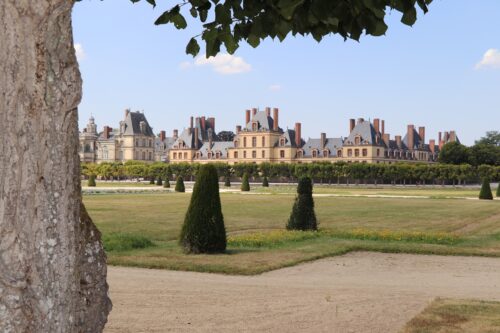
Often overshadowed by Versailles, Fontainebleau Palace is nevertheless one of the most important royal residences in French history. For nearly eight centuries, it served as a home to the rulers of France—from Francis I to Napoleon I—each leaving a lasting mark on the estate. Its architecture reflects this remarkable history, blending medieval, Renaissance, and Classical styles into one harmonious masterpiece.
A Residence of Kings and Emperors
Every generation of French rulers contributed something unique to Fontainebleau. Francis I introduced the artistic influence of the Italian Renaissance, while Napoleon I transformed the palace into one of his favorite imperial residences. Visitors can explore the magnificent Imperial Apartments, the Throne Room, and richly decorated galleries that retrace centuries of French history. Each room tells the story of changing artistic styles, political power, and royal life through exceptional decorative details and priceless works of art.
Beautiful Gardens and a Vast Estate
Fontainebleau’s grounds include several beautifully designed gardens, each with its own unique atmosphere. The expansive park features ornamental canals, centuries-old trees, and peaceful walking paths that invite visitors to slow down and enjoy the natural surroundings. Just beyond the palace lies the famous Forest of Fontainebleau, one of the most beautiful natural areas in the Île-de-France region. Many visitors extend their trip by hiking, cycling, or simply enjoying the forest’s spectacular scenery.
Why Visit Fontainebleau Palace?
Fontainebleau offers one of the most complete overviews of the evolution of French architecture. Less crowded than Versailles, it provides a quieter and more intimate experience while showcasing an extraordinary royal heritage shaped over eight centuries. For travelers interested in French history, art, and architecture, Fontainebleau is an essential destination.
Bonaguil Castle: One of France’s Last Great Medieval Fortresses
On the border between the Lot-et-Garonne and Dordogne regions stands Bonaguil Castle, considered one of the last great medieval fortresses ever built in France. Constructed at the end of the 15th century, it incorporated the most advanced defensive technologies of its time, even as the emergence of artillery was beginning to transform military architecture across Europe.
A Masterpiece of Medieval Military Engineering
Bonaguil is an outstanding example of late medieval defensive design. Its drawbridges, massive towers, deep moats, casemates, and sophisticated fortification systems demonstrate the remarkable ingenuity of medieval military engineers. Visitors can wander through a fascinating labyrinth of passageways, staircases, fortified rooms, and defensive galleries that vividly illustrate how a fortress functioned during the final centuries of the Middle Ages.
A Hidden Gem Preserved from Mass Tourism
Unlike the famous Loire Valley castles, Bonaguil remains relatively undiscovered. Its peaceful atmosphere and unspoiled natural surroundings make it an ideal destination for travelers seeking an authentic medieval experience away from large tourist crowds. The lush countryside surrounding the fortress further enhances its timeless charm.
Why Visit Bonaguil Castle?
For enthusiasts of medieval history and military architecture, Bonaguil is an essential destination. Its exceptional state of preservation and lesser-known status make it one of the finest hidden treasures in southwestern France.
Discover the Most Beautiful Castles in France
Visiting the most beautiful castles in France is like traveling through centuries of history. Behind every façade lies the story of kings, queens, knights, artists, and master builders who helped shape one of the world’s richest cultural heritages. From the grandeur of Chambord to the romance of Chenonceau, from the magnificence of Versailles to the imposing fortresses of Haut-Koenigsbourg and Carcassonne, each monument reveals a unique chapter of French history.
Beyond their historical significance, these castles also captivate visitors with their magnificent gardens, breathtaking landscapes, and unforgettable experiences offered throughout the year. Whether you’re exploring France for the first time or returning to discover more of its cultural treasures, these ten remarkable castles provide the perfect introduction to the country’s extraordinary heritage. Whether you’re passionate about history, fascinated by architecture, or simply eager to discover France’s most spectacular landmarks, these iconic castles undoubtedly deserve a place on your travel bucket list.