March is an ideal time to discover France differently. As winter recedes and spring begins to awaken, the landscapes are adorned with soft light and nascent colors, offering travelers an authentic and intimate experience. Far from the summer crowds, each region reveals its heritage, gastronomy, and nature from a unique perspective, conducive to contemplation and discovery. From Burgundy, with its vineyards and historic towns, to sun-drenched and flower-filled Provence, and through Occitanie with its contrasting landscapes, France in March lends itself to tailor-made trips, blending culture, nature, and sensory pleasure. It’s the perfect time to explore, stroll, and soak up the particular atmosphere of each territory, savoring the tranquility and authenticity of the low season.
Burgundy: elegance, heritage, and terroir
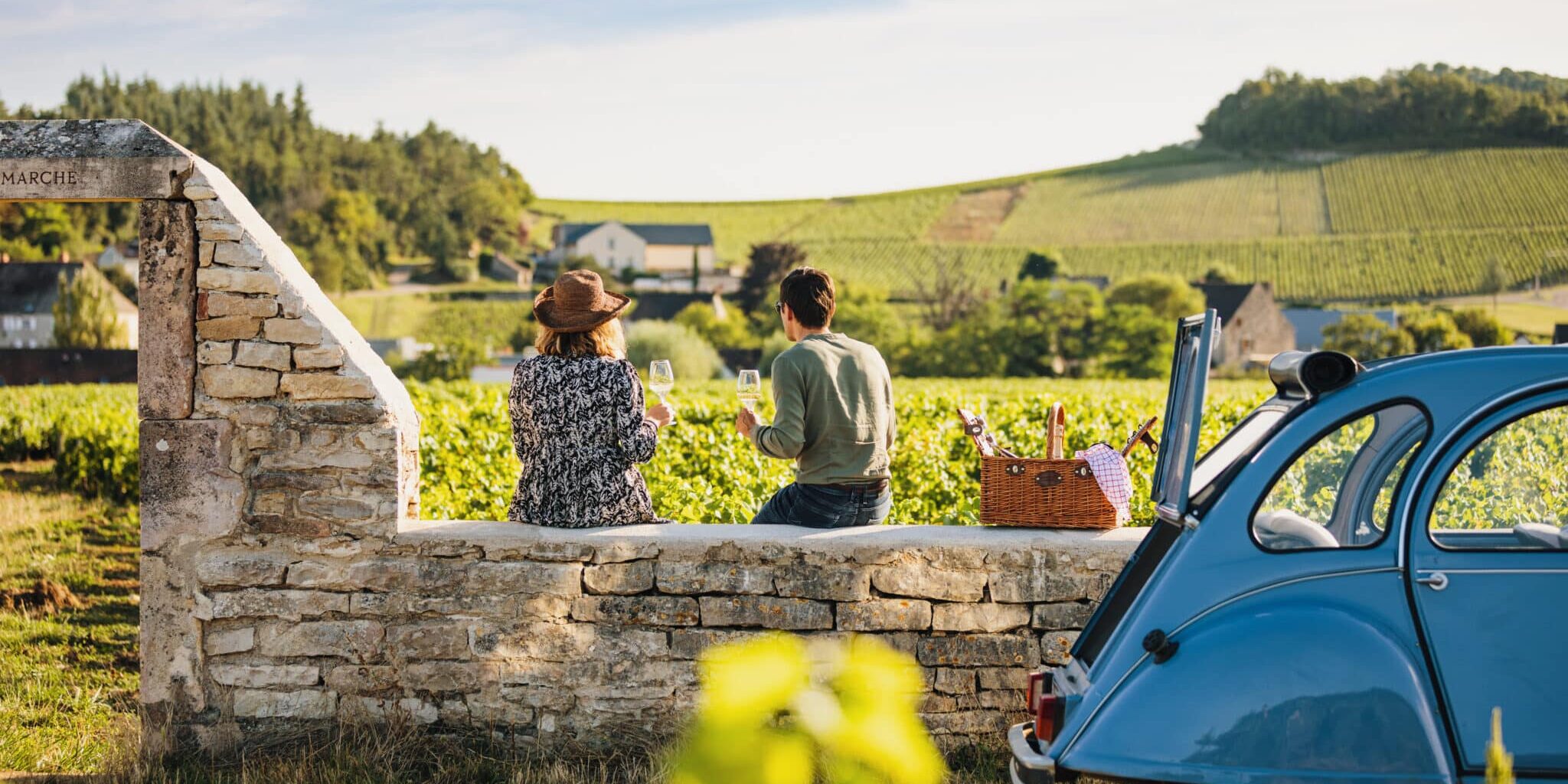
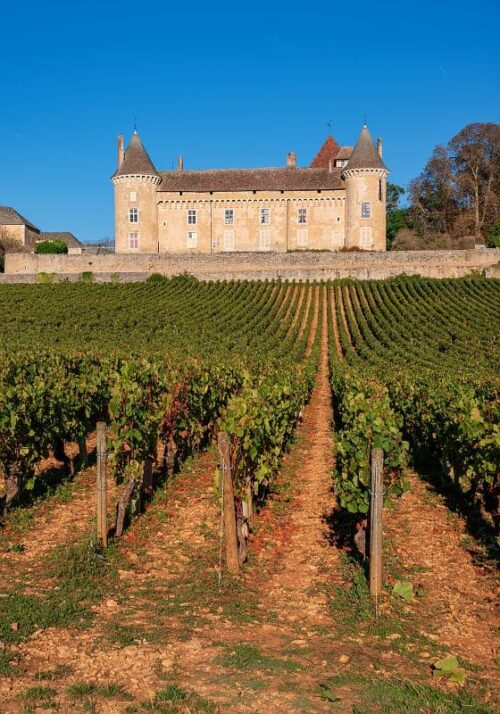
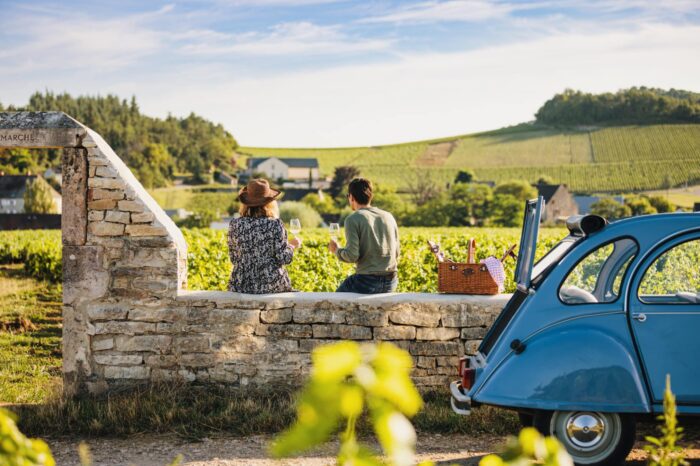
Burgundy is one of France’s most emblematic regions. It is a true gem for lovers of heritage, gastronomy, and wine. Its vineyard landscapes stretch as far as the eye can see, forming mosaics of carefully maintained plots that extend along valleys and hills. Each village, each wine route tells a story centuries old. Man and land have harmonized to create exceptional wines recognized worldwide. Burgundy wines, whether Pinot Noir or Chardonnay, are not only famous for their quality but also for the care and passion invested in every stage of their production.
March in Burgundy
In March, as winter slowly gives way to spring, the region transforms into a haven of tranquility. The harvest has long been over, and tourists are scarce, creating an intimate atmosphere conducive to contemplation. Winemakers welcome visitors with special attention. They share their know-how, stories, and the secrets of their grand crus during personalized tastings in their cellars.
Beaune: Heart of the Wine Region
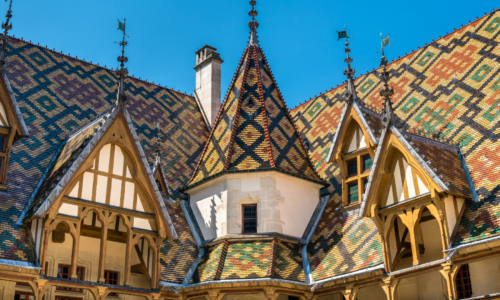
At the heart of this wine region, the town of Beaune is particularly charming in March. Beaune is renowned for its Hospices, a masterpiece of medieval architecture with iconic polychrome roofs. The town offers visitors a peaceful experience, far from the queues typical of summer months. Wandering through its cobbled streets allows one to discover private mansions dating from the 15th and 16th centuries. The soft March light transforms the façades into warm hues and highlights architectural details with unique delicacy.
Dijon: Ducal Heritage and Panoramic Views
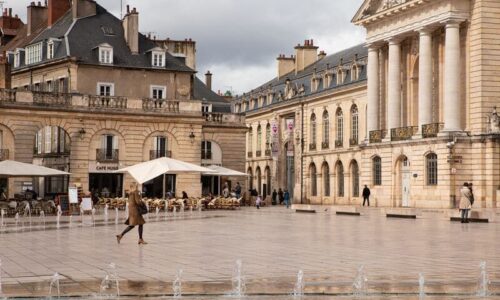
Further north, Dijon, the regional capital, impresses with the richness and elegance of its ducal heritage. The Palais des Ducs dominates the city and now houses the Museum of Fine Arts, while the famous Tour Philippe le Bon offers a panoramic view of Burgundy’s roofs and hills. Each square, fountain, and façade seems to tell a page of Burgundy’s history, inviting the traveler to slow down and enjoy the present moment.
Burgundy Wine Routes and Gastronomy
In March, the wine routes also offer a unique advantage. They are almost deserted. Picturesque villages and wine estates can be explored at whatever pace one desires. Stop at every cellar. Talk to the producers and learn the story of each plot. Burgundy thus becomes a true meeting place with local culture and know-how. Gastronomy completes this sensory immersion. Restaurants, whether Michelin-starred or traditional inns, highlight late-winter products: mushrooms, truffles, poultry, and aged cheeses. They compose refined and generous dishes, perfect to accompany a glass of local grand cru. Every meal becomes a celebration of the terroir and the Burgundy art of living, balancing authenticity and sophistication.
In March, Burgundy reveals itself in all its authenticity and beauty. Between tranquil vineyards, historic towns, and refined gastronomy, the region offers an intimate and sensory experience. It is ideal for those wishing to immerse themselves in its heritage and savor every moment at a peaceful pace.
Provence: softness and spring light
Provence stands out for its exceptional light, capable of transforming the simplest landscapes into true paintings. From March, perched villages and surrounding hills are adorned with delicate colors. The soft shades of tender green from young leaves mingle with the first blooms. The air is still fresh but filled with the scents of the earth and awakening fields. Almond trees, symbols of this spring awakening, begin to bloom, covering orchards with white and pink flowers that contrast with the deep blue of the sky. Local markets regain their vitality and colors. They showcase a palette of fresh products and regional specialties that awaken the senses and reflect the richness of Provençal terroir. Verdant hills and gently rolling valleys offer magnificent panoramas, ideal for long walks.
Aix-en-Provence: Elegant and Peaceful Strolling
Aix-en-Provence, with its natural elegance and lively pace, is an ideal town for peaceful strolling. Its pedestrian streets reveal Baroque façades in ochre and pink tones, while shaded squares and sculpted fountains invite visitors to stop and contemplate the architecture and local life. Café terraces, still quiet this season, allow one to soak up the Mediterranean atmosphere and enjoy the softness of the spring air.
Luberon Villages: Beauty in the Hills
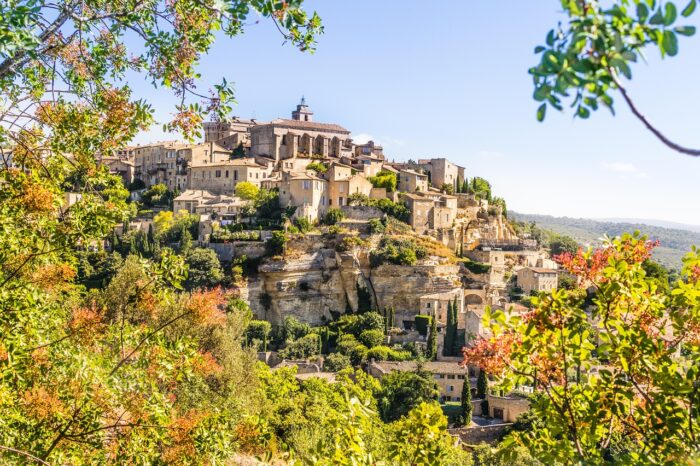
Further afield, the Luberon reveals all its magic. Villages like Gordes, Roussillon, or Bonnieux cling to the hills like jewels, offering breathtaking views. Staying in a privatized Provençal farmhouse allows one to fully enjoy the beauty and serenity of the region. Perched on hills or nestled in valleys, these places offer an intimate and tranquil setting. The experience is complete: one can wake up to birdsong and enjoy breakfast facing the flowering landscapes. Local gastronomy also contributes to this immersion. In March, markets overflow with fresh seasonal products: black truffles, tender artichokes, delicate mushrooms, and rare but tasty fish. Each meal becomes a moment of discovery and pleasure, a celebration of local flavors and the Mediterranean art of living.
For nature and hiking enthusiasts, the trails of the Luberon and Alpilles offer unique moments of contemplation. Winding roads snake through fields, olive groves, and vineyards, revealing changing panoramas at every turn. The special light of March, soft and golden, transforms every hill and village into an enchanting landscape. Walking along these trails, far from the crowds, allows one to reconnect with nature and fully experience slow travel.
Provence in March thus captivates with its calm, exceptional light, and authentic atmosphere.
Occitanie: diversity and character
Occitanie is a region of exceptional richness, where contrasts follow each other in harmony. It offers travelers an incomparable range of landscapes and experiences. Its imposing mountains, fertile plains, Mediterranean coastline, and medieval villages create a multifaceted territory. In March, the spring light envelops these panoramas with a particular softness, revealing subtle colors and reliefs. It transforms every valley, hill, and seaside into a living natural spectacle. The region, still calm after winter, allows for an intimate and peaceful atmosphere.
Toulouse: The Pink City
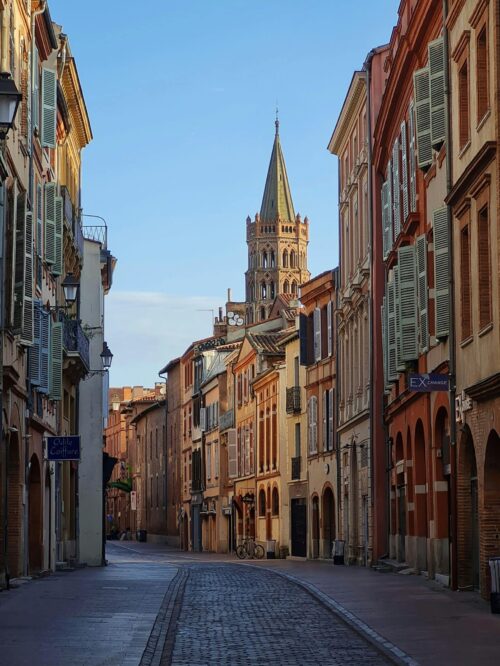
Toulouse, nicknamed the “Pink City,” perfectly embodies this mix of historical charm and contemporary life. Its red brick façades seem to glow under the soft March light. Strolling along the Garonne and admiring the bridges connecting the banks allows one to fully enjoy the city’s warm ambiance. The historic center’s streets, punctuated with lively squares, ancient fountains, and artisanal shops, tell the story of Toulouse with rare authenticity. Every turn reveals architectural details or unexpected perspectives, inviting travelers to slow down and savor each moment.
Carcassonne: Medieval Immersion
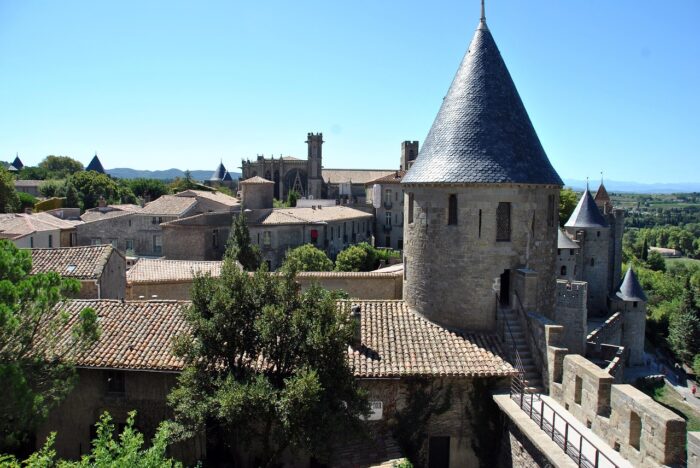
Further south, Carcassonne offers a completely different but equally fascinating experience. The medieval city, with its imposing ramparts and majestic towers, immediately transports visitors to another time. In March, far from the tourist crowds, it is possible to walk through the cobbled streets, admire ancient houses, and enjoy panoramas from the fortifications. This immersion allows one to fully appreciate the grandeur and complexity of medieval architecture. It also lets one feel the history and daily life that animated the city for centuries. Narrow streets, sculpted gates, and small squares provide moments of poetry and discovery at every step.
Occitanie Cuisine and Nature
Occitanie also captivates with its varied and generous gastronomy. Between sea and mountains, markets overflow with fresh products. You’ll find Mediterranean fish with seasonal vegetables, as well as local charcuterie and cheeses. Cassoulet, an emblematic specialty, is savored in towns and villages. The coast offers carefully prepared fish and seafood.
But Occitanie is not only a region of towns and gastronomy. Its natural landscapes offer impressive diversity. Snow-capped Pyrenees in the north, sunlit agricultural plains, vineyards and rolling hills, as well as a Mediterranean coastline dotted with coves and picturesque ports, create a playground for all types of travelers. Hiking enthusiasts can venture on mountain or coastal trails. History lovers can explore medieval villages and historical sites scattered across the region. In March, this diversity can be discovered under privileged conditions: calm, soft light, and serene atmosphere. The region thus becomes an ideal playground for travelers wishing to combine culture, nature, and gastronomy while enjoying personalized experiences and a slower travel pace.
In March, France reveals itself in all its diversity and authenticity. From the peaceful vineyards of Burgundy to the luminous hills of Provence, and through the cultural and natural richness of Occitanie, each region invites discovery, contemplation, and sensory pleasure. Traveling at this time means enjoying a particular softness, exploring landscapes and towns at a serene pace, and fully savoring the French art of living in all its subtlety.