France has an exceptional coastal diversity. Within a few hours’ drive, you can go from Mediterranean coves to the wild beaches of the Atlantic, passing through wind-sculpted cliffs. Here is a selection of the most beautiful coastlines to discover.
The French Riviera: elegance and turquoise sea
The French Riviera, located in the south-east of France, is one of the most famous seaside destinations in the world. It stretches from Menton to Saint-Tropez and combines beaches, perched villages and iconic cities.
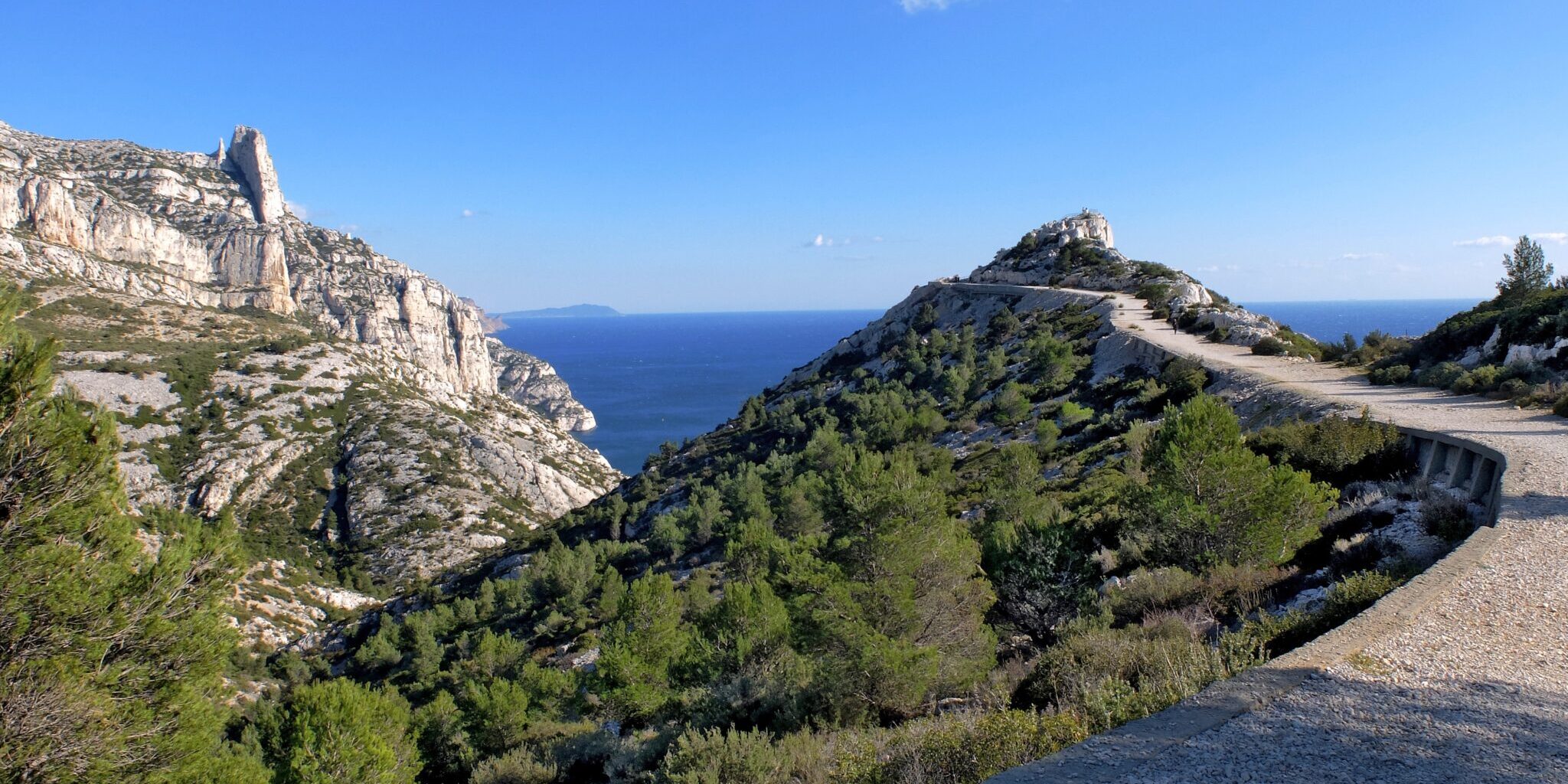
The Calanques of Cassis: a natural gem
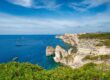
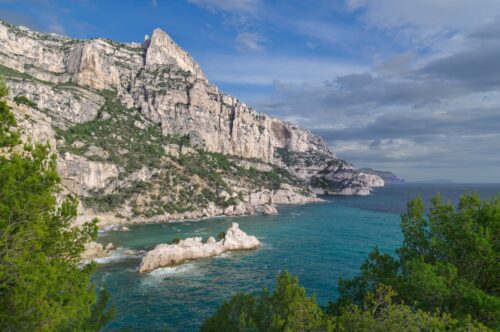
Located between Marseille and Cassis, in the heart of southern France, the Calanques of Cassis form one of the most impressive natural landscapes in Europe. This protected site, part of the Calanques National Park, is distinguished by its steep limestone cliffs that plunge directly into an almost unreal blue sea.
What makes the calanques so unique is the constant contrast between the bright white rock and the turquoise depth of the Mediterranean. Some coves, such as En-Vau or Port-Pin, seem almost cut off from the world, accessible only after a hike along steep trails or by sea. The experience on site is both physical and contemplative. The hikes offer spectacular viewpoints over the rugged coastal relief, while the descent into the coves reveals crystal-clear water ideal for swimming. By kayak or boat, the discovery takes on another dimension, allowing you to get closer to the cliffs and sea caves.
Pampelonne Beach in Saint-Tropez: luxury and Mediterranean lifestyle
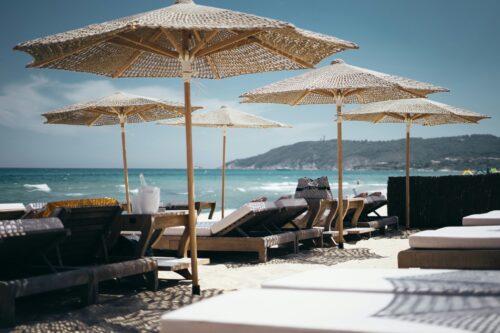
Pampelonne Beach, located near Saint-Tropez, is without a doubt one of the most iconic beaches of the French Riviera. A long stretch of fine sand bordered by a calm and luminous sea, it perfectly embodies the image of Mediterranean luxury.
Here, the atmosphere is special, almost iconic. Beach clubs line the coastline, blending elegance, soft music and refined service. Yachts offshore complete this typically Saint-Tropez scenery where time seems to slow down. Throughout the day, Pampelonne changes character. In the morning, the beach is still peaceful, ideal for enjoying the sea in a calm atmosphere. In the afternoon, it gradually comes alive, beach restaurants become social places where people have lunch with their feet in the sand. Then, at sunset, the atmosphere transforms, becoming more festive, more vibrant, with a golden light that envelops the entire bay. Pampelonne is not just a beach, it is a complete experience, a symbol of the refinement of the French Riviera.
The beaches of Nice and Antibes: urban beaches and Mediterranean softness
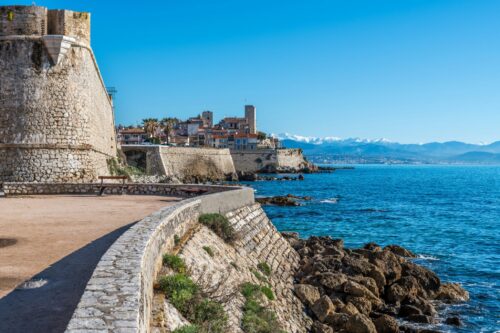
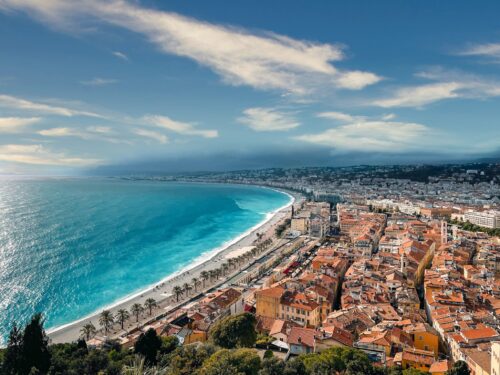
Nice and Antibes offer a different vision of the Mediterranean coastline, more urban but just as appealing. Located on the famous French Riviera, these two cities live permanently to the rhythm of the sea. In Nice, the beaches line the iconic Promenade des Anglais. They are made of pebbles, which gives them a distinctive identity and a raw charm. The sea is deep, intensely blue, and the contrast with the lively city creates a unique atmosphere. People come here as much to swim as to enjoy the exceptional light of the Baie des Anges.
Antibes, on the other hand, offers a softer and more family-friendly atmosphere. Its beaches are more varied, sometimes calmer, with always clear and pleasant water. The proximity of the old town adds a historical and cultural dimension to the beach experience, making the stay particularly balanced between relaxation and discovery. In both cities, the beach is an integral part of daily life. It is easy to go from swimming to a city walk, from a terrace lunch to a sunset facing the sea.
Brittany: wild and authentic
Brittany is known for its wild coastline, impressive tides and rocky landscapes unique in Europe. Unlike the soft Mediterranean beaches, Brittany offers a more raw, more mineral and deeply authentic atmosphere. Sea winds, dramatic tides and changing light create an almost living scenery.
Pink Granite Coast: a unique landscape in the world
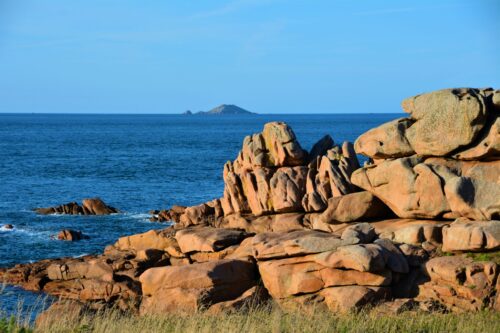
The Pink Granite Coast, located in the Côtes-d’Armor, is one of the most emblematic landscapes of Brittany. The rocks, with their rounded shapes and unique pink hues, seem to have been sculpted by an artist. Light plays an essential role in how the place is perceived. At sunrise or sunset, the granite blocks take on warm tones that contrast with the deep blue of the sea. The customs officers’ path allows you to explore this coastline on foot and discover exceptional viewpoints at every turn.
Saint-Malo and its great tides
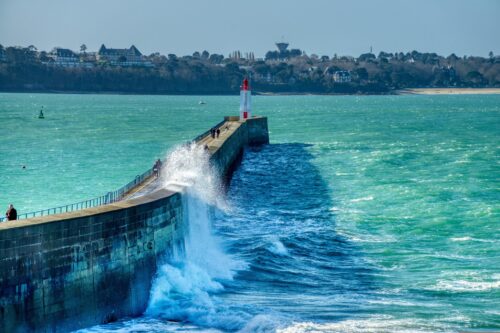
Saint-Malo is one of the strongest symbols of the Breton coastline. The city, surrounded by imposing ramparts, has always seemed turned toward the ocean. What makes it unique are its spectacular tides, among the largest in Europe. At low tide, the sea retreats hundreds of meters, revealing a vast sandy beach. At high tide, the water crashes against the ramparts with force, completely reshaping the landscape. This constant transformation gives Saint-Malo an almost theatrical atmosphere, where the sea becomes a central character of the city.
Crozon Peninsula: raw nature
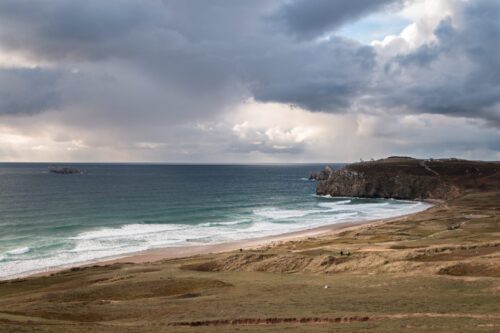
The Crozon Peninsula is one of the most spectacular and wild areas of Brittany. It offers a succession of steep cliffs, rocky headlands and isolated coves that plunge directly into the Atlantic Ocean. This area is particularly popular with hikers, as it allows you to walk for kilometers along coastal paths offering exceptional sea views. Each step reveals a new landscape, often more impressive than the last. The feeling of isolation is strong, giving the impression of being at the end of the world, facing untouched nature.
The Atlantic Coast: wide spaces and freedom
The Atlantic coast of France offers a completely different experience from the Mediterranean south. Here, the ocean dominates the horizon and creates a constant feeling of space and freedom. The beaches are immense, often bordered by dunes or pine forests, and nature still feels largely preserved. The atmosphere is wilder, more open, and deeply connected to the elements. This coast attracts both travelers seeking calm and thrill-seekers, especially due to the power of the Atlantic waves.
Dune of Pilat: the highest dune in Europe
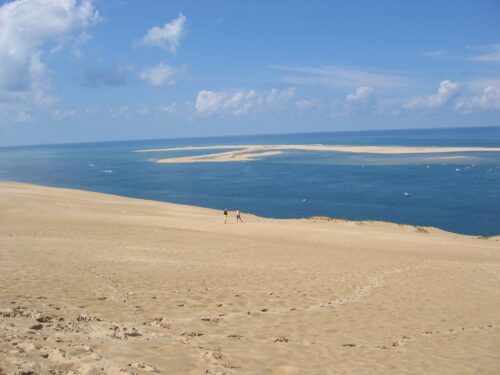
The Dune of Pilat is one of the most impressive natural sites in France. It rises between the Atlantic Ocean and the Landes forest, offering a spectacular view over two completely different worlds. From its summit, the view extends over the vast ocean on one side and the Arcachon Bay on the other, with its calmer waters and oyster-farming villages. This contrast between power and softness makes it a unique site, where nature seems to have created a perfect boundary between two worlds.
Biarritz: European capital of surfing
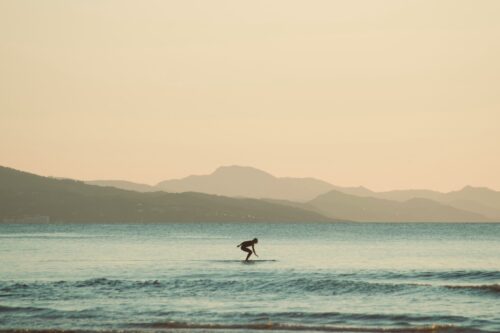
The French Basque Country is one of the most distinctive regions of the Atlantic coast. Between Biarritz, Saint-Jean-de-Luz and Hendaye, the sea is omnipresent and shapes both the landscape and the local culture. Biarritz is world-famous for surfing. Its powerful waves attract athletes from all over the world and give the city constant energy. In contrast, Saint-Jean-de-Luz offers a sheltered bay, calmer and more family-friendly, where swimming is pleasant and the atmosphere relaxed. Hendaye marks the transition to Spain and offers a huge sandy beach.
A remarkably diverse French coastline
The coastline of France is one of the most varied in Europe. It is not limited to a single atmosphere but consists of several completely different coastal worlds. The Mediterranean embodies softness, light and elegance. Brittany expresses strength, movement and authenticity. The Atlantic, finally, offers freedom, vastness and the power of the ocean. Exploring these coasts means crossing complementary worlds, each with its own personality, all connected by one thing: the spectacular beauty of the French coastline.