Southern France is a promise in itself. A promise of light, contrasts, powerful landscapes, and a lifestyle softness unlike any other region in Europe. Between Provence, the Camargue, and the French Riviera, this combined itinerary offers a complete immersion into three territories which, although very different, together form one of the most beautiful tourist mosaics in France. You move from lavender-scented hills to wild marshlands inhabited by white horses, before reaching the Mediterranean and its turquoise waters. Each stage tells a different story of the South.
Provence, immersion in the Southern French art of living among hilltop villages, lavender fields, and traditions
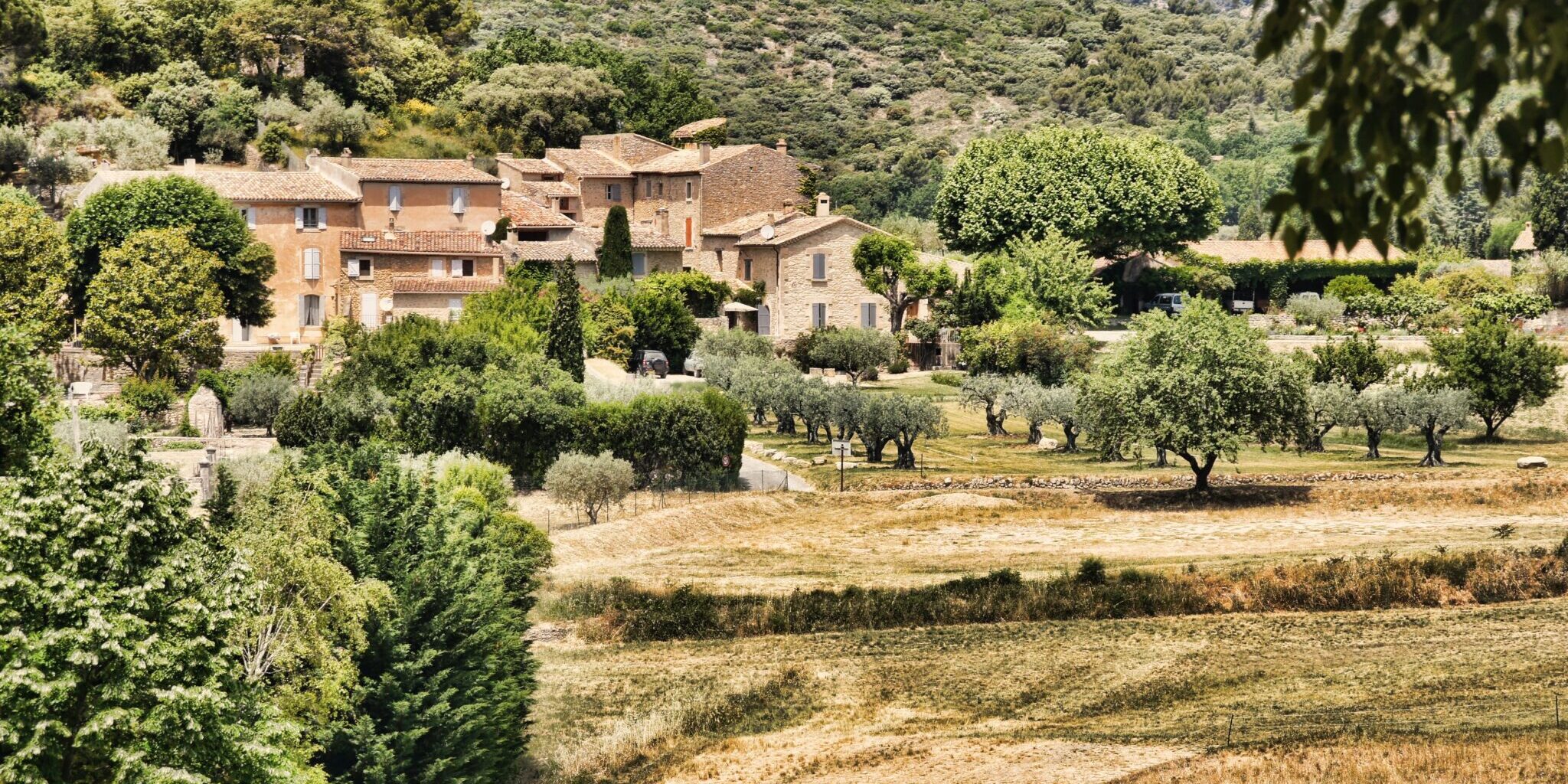
Provence is one of those regions that immediately attracts travelers, but which is truly understood only once you are there. Leaving the large cities, you quickly enter a more rural environment, structured around ancient villages, small winding roads, and very present agricultural landscapes. The Luberon is one of the most interesting areas to discover this authentic Provence. There you will find several hilltop villages built of stone, located on heights for historical reasons, which today offer superb viewpoints over the surrounding valleys. The whole area is very coherent, with a real continuity between the villages and their natural environment.
Gordes, Roussillon, and the emblematic villages of the Luberon
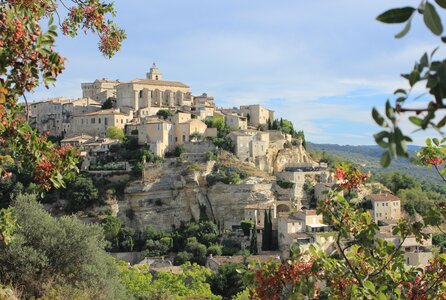
Gordes is undoubtedly one of the most iconic villages in Provence. Built on the side of a hill, it seems frozen in time, with its narrow streets, dry-stone houses, and spectacular view over the valley. A little further on, Roussillon immediately surprises with its color palette. Here, the earth itself becomes a spectacle. The ochre cliffs create an almost unreal setting, shifting between deep red, burnt orange, and golden yellow. Every walk through the village feels like stepping into a natural artwork.
Lavender, Provençal markets, and culinary identity
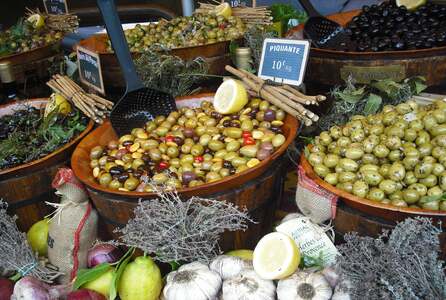
Provence is also an olfactory and gustatory experience. In summer, lavender fields transform the plains into violet oceans rippling in the wind. The air is saturated with natural scents, a mix of flowers, garrigue, and warmth. The blooming season generally runs from late June to mid-July in the Luberon area and on the Valensole plateau. In villages such as Saint-Rémy-de-Provence, the markets perfectly embody the Provençal soul. There you find an abundance of local products, from sun-ripened fruits to aromatic herbs, as well as olive oil and regional specialties. Here, gastronomy is an integral part of the landscape.
Camargue, a wild territory between land, water, and living traditions
A radical change of landscape upon entering the Rhône delta
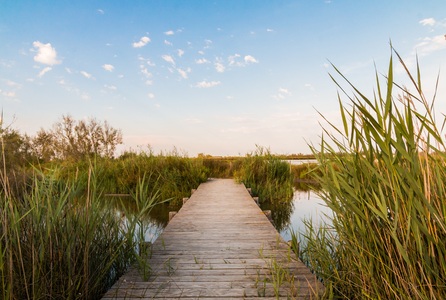
Leaving Provence to reach the Camargue, the landscape changes very quickly. The relief gradually disappears and gives way to a completely flat territory structured by water, ponds, and canals. You enter the Rhône delta, an area where water is omnipresent and where usual landscape landmarks disappear. The sensation is immediately different: distances seem greater, horizons wider. The Camargue is often described as a unique space in France, as it functions like an autonomous ecosystem. It is a territory where human activities exist, but remain closely linked to the natural constraints of the environment, particularly water, wetlands, and seasonal variations.
White horses, pink flamingos, and preserved nature
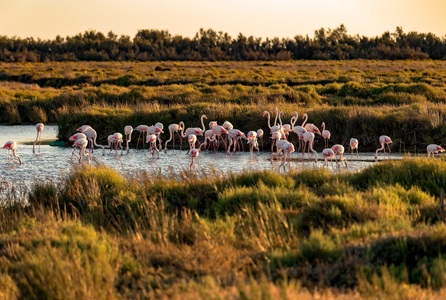
One of the strongest symbols of the region remains the Camargue horses, often seen roaming freely in the marshes. Their presence reinforces this impression of a timeless world. Flamingos, meanwhile, bring an almost unreal touch to the landscape, especially when the ponds reflect the colors of the sky at sunrise and sunset. They are particularly present in protected areas, especially around the Camargue National Reserve, located in the commune of Saintes-Maries-de-la-Mer. This protected natural area is one of the most important birdwatching sites in Europe. A great diversity of birds can also be observed in the surrounding ponds and marshes.
Arles and Saintes-Maries-de-la-Mer, cultural gateways to the Camargue
Arles is an essential stop to understand the Camargue. The city is listed as a UNESCO World Heritage Site for its Roman monuments, notably the Arles Amphitheatre, still used today for shows and cultural events, as well as the ancient theatre, one of the best preserved in France. Arles also plays a major cultural role thanks to its festivals, museums, and strong connection to Camargue traditions. It is a logical starting point to explore the delta and its landscapes. Further south, Saintes-Maries-de-la-Mer is considered the “capital” of the Camargue. The village is especially known for the fortified Church of Saintes-Maries, an emblematic coastal building that houses the relics of the saints and attracts an important pilgrimage every year.
French Riviera, Mediterranean elegance, hilltop villages, and turquoise sea
A mythical coastline with many faces
The French Riviera is probably the best-known part of this itinerary, but also the most contrasted. Behind its glamorous image lies an astonishing diversity of landscapes, between lively cities, hilltop villages, and wild coves. The Mediterranean becomes omnipresent here. It structures the landscape, influences the light, and sets the rhythm of daily life.
Nice, between urban energy and Mediterranean softness
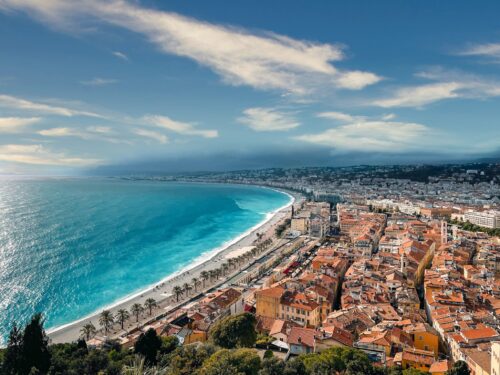
Nice is one of the main gateways to the French Riviera and an excellent starting point to discover the region. The city combines dense urban activity with direct access to the Mediterranean coastline, making it a pleasant destination for a stay. Along the sea, the Promenade des Anglais is one of the city’s most famous landmarks. It runs along the Baie des Anges for several kilometers and offers an open view of the Mediterranean, with its beaches, palm trees, and historic hotels such as the famous Negresco Hotel, an iconic building of the Riviera.
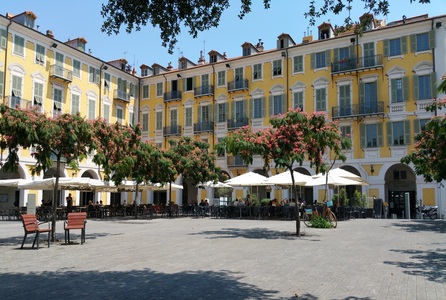
In the historic center, Old Nice contrasts strongly with the seafront. This district is made up of narrow streets, colorful facades, and a high concentration of traditional shops. It notably features the Cours Saleya, known for its flower market, its local produce stalls, and its daily activity. Among Nice’s important monuments, one can also mention the Sainte-Réparate Cathedral, located in the heart of Old Nice, as well as Castle Hill, which offers a panoramic view over the bay and the port.
Èze, Cassis, and the spectacular coastal landscapes
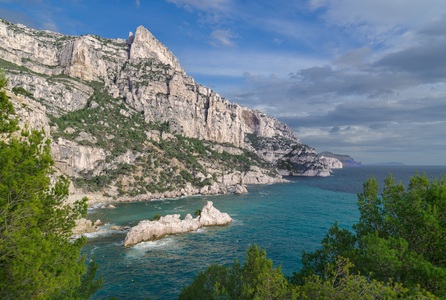
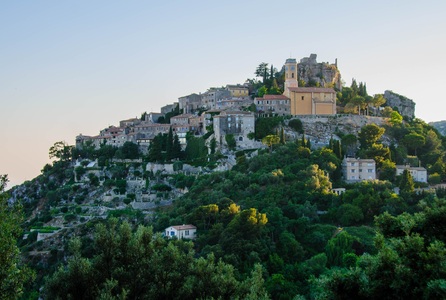
Èze is one of the most remarkable villages on the French Riviera. Set on a rocky spur more than 400 meters above the sea, it offers an exceptional panorama over the Mediterranean. The village is also known for its Exotic Garden of Èze, which brings together an important collection of Mediterranean and succulent plants, with a direct view over the coast. Further west, Cassis is an essential stop to discover the natural landscapes of the coastline. The town is especially known for the Calanques of Cassis, a series of coves and limestone cliffs extending to Marseille. The most famous, such as Calanque d’En-Vau or Port-Miou, are accessible on foot or by boat and are part of the Calanques National Park, a major protected natural area. Cap Canaille, located between Cassis and La Ciotat, is also one of the highest sea cliffs in Europe and offers an impressive viewpoint over the sea and surrounding calanques.
Saint-Tropez, between myth and preserved authenticity
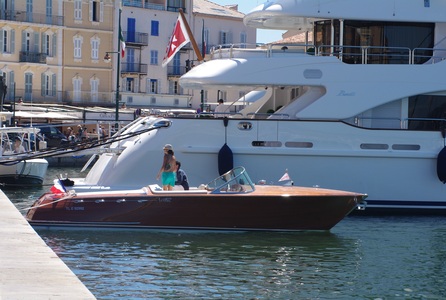
Saint-Tropez is undoubtedly one of the most famous destinations on the French Riviera. Over time, the village has become an international symbol of luxury and Mediterranean tourism, but it also retains an older identity linked to its past as a fishing village. The port of Saint-Tropez remains one of the most characteristic places in the town, with its traditional boats called “pointus” alongside more modern yachts. Nearby, the Ponche district, a former fishing neighborhood, offers a calmer and more authentic atmosphere. Among the important monuments, there is the Citadel of Saint-Tropez, built in the 17th century, overlooking the bay and now housing a maritime museum. The Church of Notre-Dame-de-l’Assomption, with its yellow and ochre bell tower, is also a strong element of the village’s visual identity.
An essential itinerary to discover Southern France in 7 to 10 days
This combination of Provence, Camargue, and the French Riviera is one of the most complete itineraries to discover southern France in a short time. In just 7 to 10 days, it allows you to move from a rural and peaceful world to wilder natural spaces, before reaching the Mediterranean coast. The main appeal of this journey lies in the diversity of landscapes and the ease with which they follow one another. In just a few hours of driving, the atmosphere changes completely, making the experience very rich without requiring long travel times. It is an ideal itinerary to take time to discover each region at your own pace, alternating visits, exploration, and relaxing moments, in order to fully enjoy everything Southern France has to offer.