The Art of French Dining is about far more than food. It is a way of discovering France through its regional cuisine, local traditions and the people who bring them to life.
French gastronomy is deeply connected to the places where it is created: vineyards, orchards, markets, farms and coastlines. Behind every dish are generations of producers, artisans and chefs who have shaped the culinary identity of their region.
From Burgundy to Lyon, Normandy, Alsace and the Basque Country, food offers another way of discovering France — understanding its history, meeting the people who bring its traditions to life and experiencing the rhythm of each destination.
In France, good food is not simply a question of taste. It is also a way of travelling.
Because here, gastronomy is not simply something to taste. It is another way to discover the country.
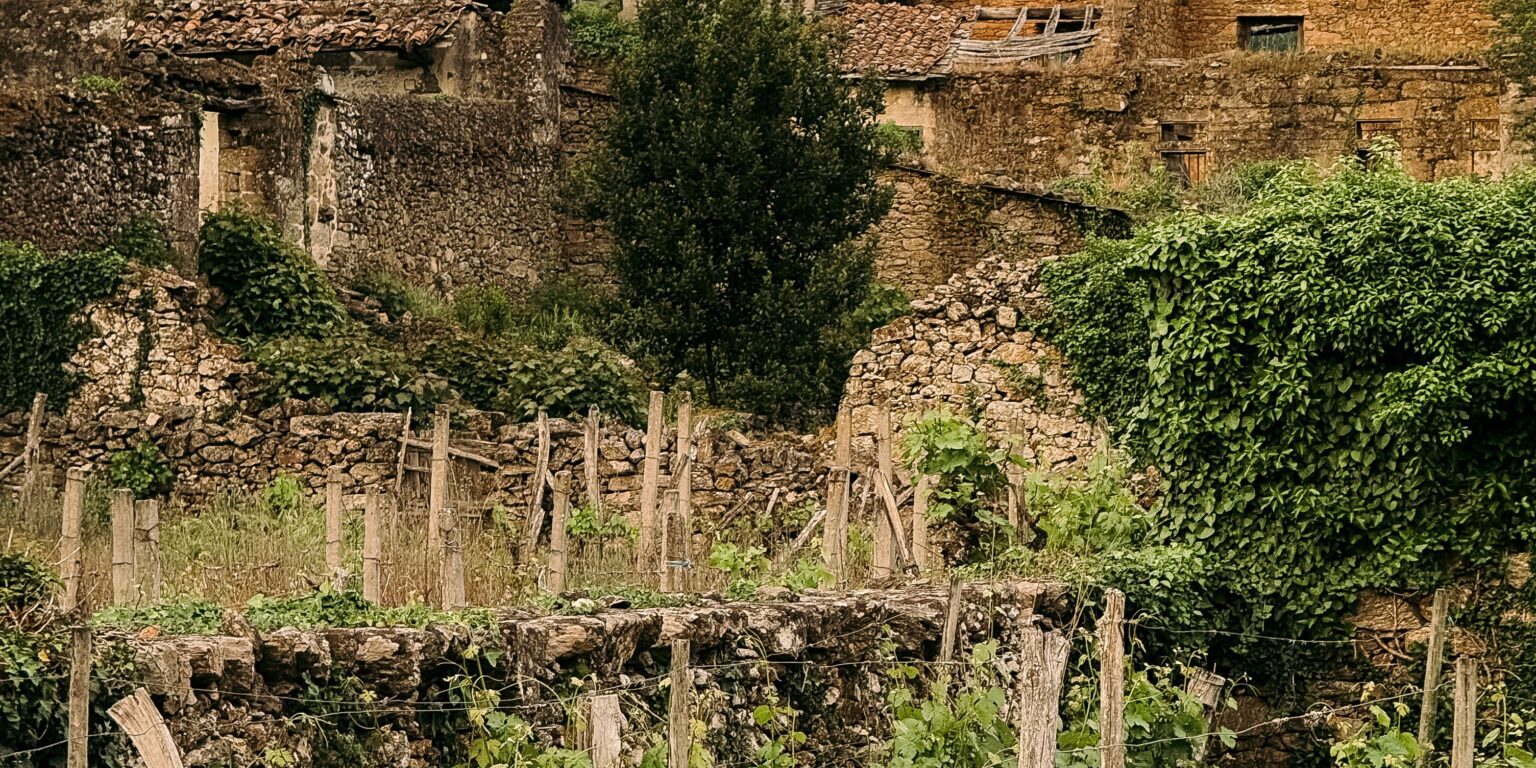
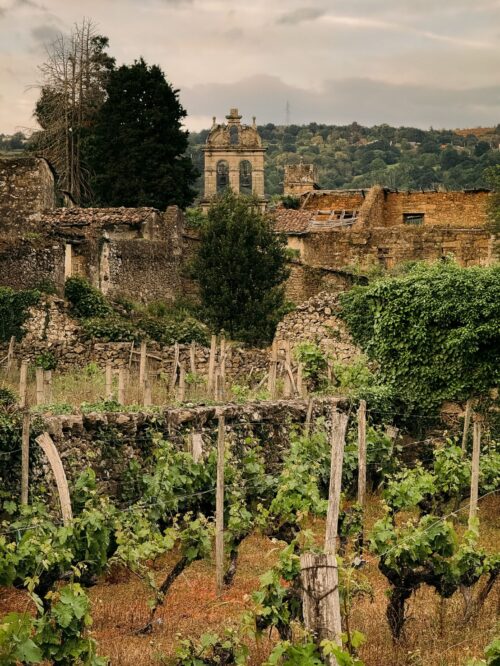
Just south of Dijon, Nuits-Saint-Georges lies along the Côte de Nuits, one of Burgundy’s most renowned wine-growing areas. Here, gastronomy is inseparable from the vineyards.
The surrounding villages Vosne-Romanée, Chambolle-Musigny, Vougeot and Gevrey-Chambertin offer an opportunity to discover Burgundy through its wines and terroirs. Meeting a winemaker and walking through the vineyards provides a different understanding of what lies behind each bottle: the soil, the seasons and the work that shapes the character of the wines.
The region can also be explored through its culinary traditions. One of Burgundy’s classic dishes is œufs en meurette: poached eggs served in a rich red-wine sauce with bacon, onions and mushrooms. Another local speciality is jambon persillé, a traditional preparation of ham and parsley set in a delicate jelly.
A visit to Cassissium in Nuits-Saint-Georges offers another perspective on the region, focusing on blackcurrants and the production of crème de cassis.
Further south, Beaune and the Clos de Vougeot provide natural extensions to a gastronomic journey through Burgundy.
In Burgundy, understanding the cuisine begins with understanding the terroir.
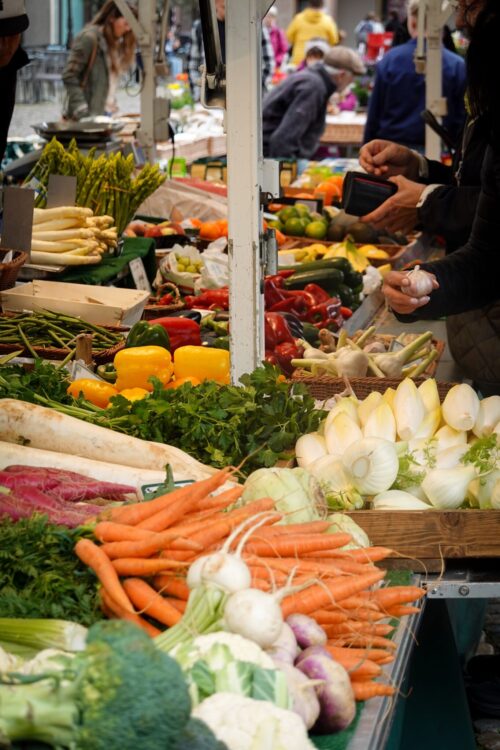
In Lyon, food is part of the city’s identity.
A visit to the Halles de Lyon Paul Bocuse reveals the extraordinary variety of ingredients associated with the region, from cheeses and charcuterie to pastries and local produce.
Lyon offers another expression of The Art of French Dining, where traditional recipes and everyday culinary culture remain deeply connected to the city. Among Lyon’s best-known specialities are quenelle de brochet, a light pike dumpling traditionally served with a creamy sauce; saucisson brioché, a Lyonnaise sausage baked inside brioche; and the famous tarte à la praline rose, a colourful dessert made with pink pralines.
For a more intimate experience, a meal in a traditional bouchon lyonnais offers an opportunity to discover the generous, straightforward character of Lyonnaise cuisine.
Cooking can also become part of the journey itself, through a hands-on experience with a chef and an introduction to the techniques behind some of the region’s classic dishes.
Here, culinary tradition is not something preserved in the past. It remains part of everyday life.
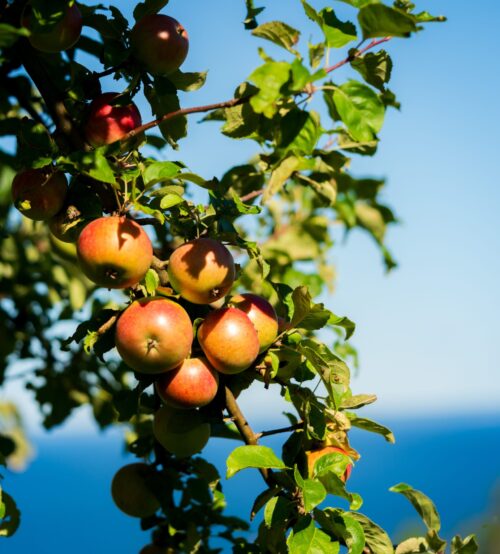
Normandy’s cuisine reflects the diversity of its landscape, stretching from the orchards of the Pays d’Auge to the Atlantic coast.
Inland, apple orchards shape both the scenery and the region’s culinary traditions. Apples are transformed into cider, juice and Calvados, Normandy’s famous apple brandy.
The region is equally renowned for its dairy products, including Camembert de Normandie, Livarot and Pont-l’Évêque. Visiting a producer offers an insight into the work behind these products and the traditions that continue to define Normandy.
Further towards the coast, the landscape changes. Oysters, scallops, mussels and freshly caught fish take centre stage.
Classic preparations such as sole meunière, scallops cooked with Normandy butter, or seafood served with cider bring together the flavours of the land and the sea.
In Normandy, a gastronomic journey can follow a simple route: from the orchard to the table, and from the countryside to the coast.
In eastern France, Alsace has developed a culinary identity shaped by both French and Germanic influences.
The Alsace Wine Route provides an ideal way to explore the region, passing through villages such as Riquewihr, Kaysersberg and Eguisheim, surrounded by vineyards.
The region’s wines — including Riesling, Gewurztraminer and Pinot Gris — naturally accompany a cuisine built around hearty, comforting dishes.
In traditional winstubs, local specialities such as choucroute garnie, baeckeoffe, coq au Riesling and tarte flambée remain central to the table.
Alsace also has a strong tradition of baking and pastry-making, with kougelhopf, bredeles and fruit-based pastries among its familiar specialities.
Here, gastronomy tells the story of a region whose culture has always been shaped by its position between different worlds.
In the French Basque Country, cuisine reflects the landscape itself: mountains inland, the Atlantic Ocean along the coast and a strong regional identity connecting the two.
The village of Espelette is closely associated with the famous Espelette pepper, while local specialities such as Ossau-Iraty cheese, Bayonne ham and Basque lamb reflect the importance of local farming.
Along the coast, the fishing tradition remains visible in towns such as Saint-Jean-de-Luz, where the harbour is closely connected to the region’s culinary culture.
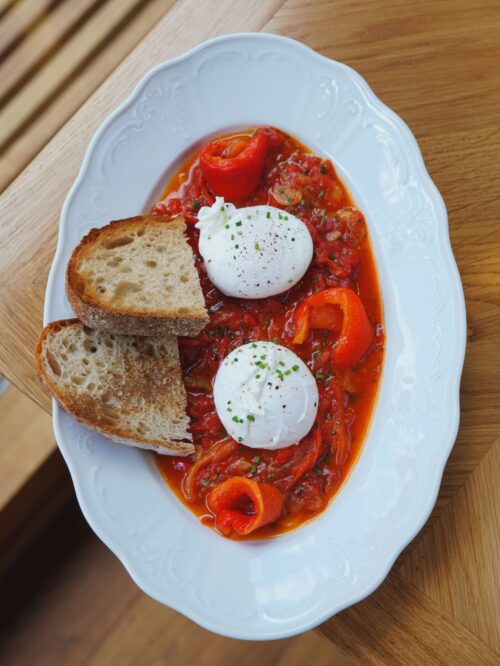
Traditional dishes include axoa de veau, poulet basquaise and piperade, while the influence of neighbouring Spain can be felt in the culture of pintxos.
And for something sweet, there is the gâteau basque, traditionally filled with pastry cream or black-cherry jam.
In the Basque Country, gastronomy is inseparable from the culture, landscape and character of the region.
French gastronomy is not only about what appears on the plate. It is also about the people behind it.At the heart of The Art of French Dining are the people who preserve these culinary traditions.
A winemaker explaining the character of a vineyard. A cheesemaker discussing the ageing process. A fisherman returning to harbour. A baker preparing bread before sunrise.
Meeting these people gives meaning to the products themselves.
It is this connection between people, place and savoir-faire that makes gastronomy such an important part of travelling through France.
The Art of French Dining is also about discovering France at your own pace, through the places, flavours and encounters that shape each journey.For travellers passionate about food and wine, gastronomy can become more than an element of a trip. It can become its guiding thread.
A journey through Burgundy can follow its vineyards and historic wine villages. Lyon can be explored through its culinary traditions. In Normandy, the itinerary can move from apple orchards to the coast. In Alsace, the wine route can connect villages, vineyards and local tables. In the Basque Country, the journey can follow the flavours of the mountains and the Atlantic.
A tailor-made journey allows the pace to follow the traveller.
Perhaps that means spending longer at a market, taking the time to meet a producer, discovering a regional recipe or simply allowing a long lunch to become part of the day.
The journey no longer simply follows a destination. It follows what genuinely interests the traveller.
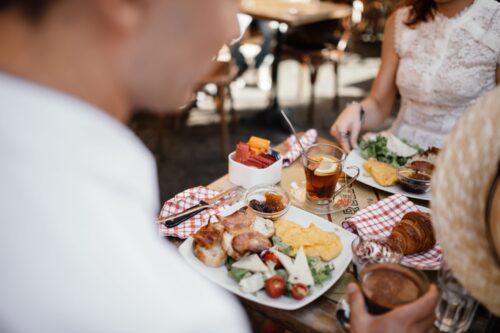
The French approach to food is also an approach to time.
Choosing good ingredients. Sitting down together. Talking with a producer. Opening a bottle of wine. Taking the time to enjoy a long lunch.
These simple moments are part of what makes French gastronomy so closely connected to the art of living.
From Burgundy to the Basque Country, each region has its own flavours, traditions and way of bringing people together around the table.
Because a journey can leave you with the memory of a landscape, a meeting or a meal — and sometimes, all three.