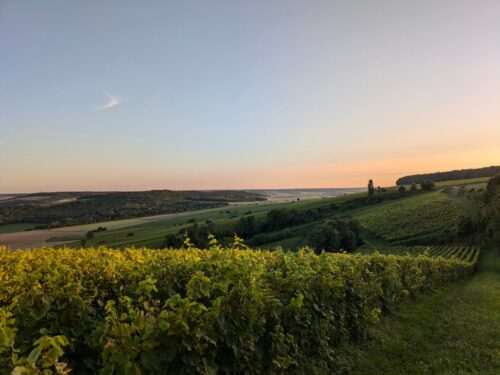
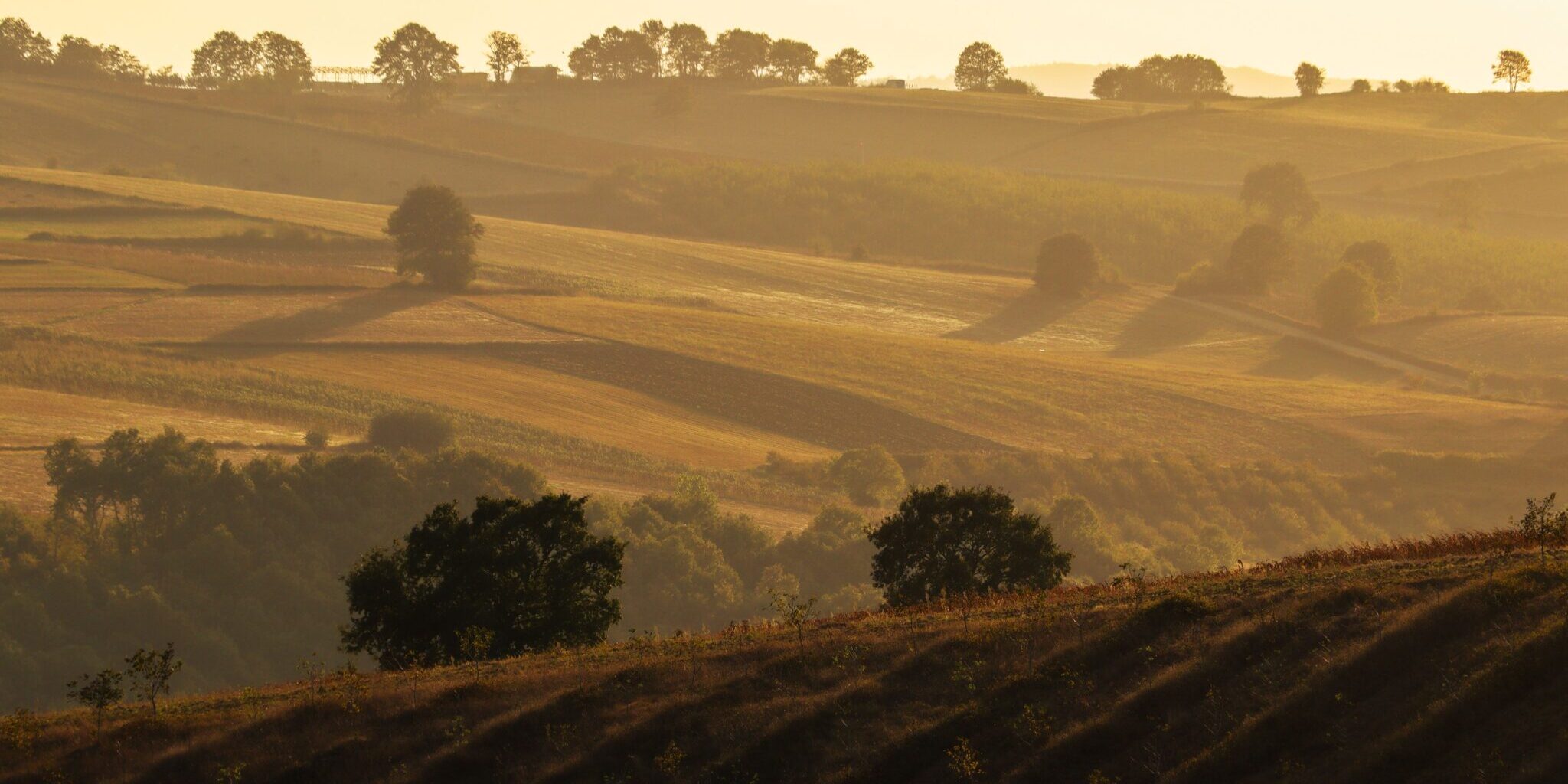
A trip to Champagne is about more than just exploring the great houses and famous wines. This region in northeastern France has a much broader identity, encompassing heritage, vineyard landscapes, gastronomy, and the art of living.
Around Reims and Épernay, vineyards shape rolling landscapes dotted with villages, while the towns tell a story deeply intertwined with that of France. Heritage, gastronomy, architecture, craftsmanship, and encounters with locals come together to create a destination best explored both around a table and along the winding vineyard roads.
For travelers seeking a more personal experience, Champagne offers a wealth of possibilities: meeting a family-run producer, exploring a historic village, cycling through the vineyards, having lunch at a local spot, or simply taking the time to enjoy an exceptional hotel.
At the heart of this journey of discovery, Reims serves as an ideal starting point.
Where history and French elegance meet
Before heading to the vineyards, Reims is well worth a visit.
The city is dominated by Notre-Dame de Reims Cathedral, a masterpiece of Gothic architecture and a UNESCO World Heritage Site. Its history is closely tied to that of the French monarchy, as the cathedral was the traditional site for the coronation of the kings of France.
Just a short walk away are the Palais du Tau, the Museum of Fine Arts, and the Reims Opera House. Further on, the Art Deco facades bear witness to the city’s reconstruction after World War I.
Reims thus offers an interesting balance between heritage and the art of living. The city is best explored on foot, as you wander through its squares, shopping streets, markets, and restaurants.
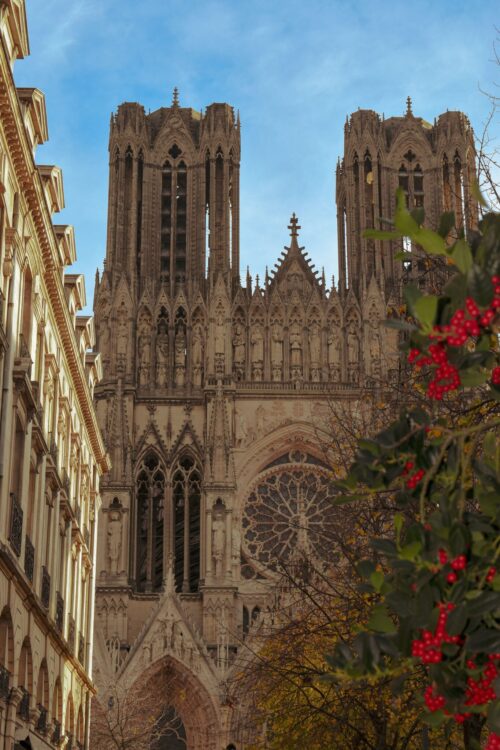
An Art Deco retreat facing Notre-Dame de Reims
Across from Notre-Dame de Reims, La Caserne Chanzy – Hôtel & Spa is housed in a former fire station that opened in 1926. After serving as the city’s fire station for several decades, the building was transformed into a five-star hotel in 2019, while retaining its historic character.
The Art Deco façade has been restored, and several original elements have been preserved, notably the “firefighters” bas-relief. Inside, the décor designed by Julie Fuillet Studio subtly references the Champagne region through natural materials, colors inspired by vineyards, and details evoking the local landscape.
Its location is one of its main assets: situated across from the cathedral, the hotel allows guests to explore Reims’s main historic sites on foot.
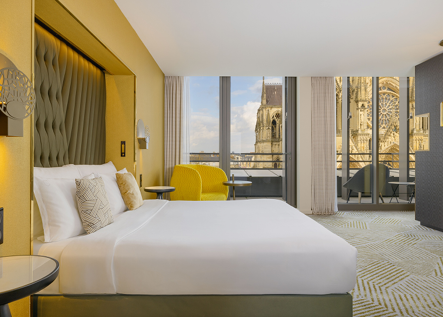
The rooms and suites extend this Champagne-inspired theme with shades of green, beige, and gold, and some offer a direct view of Notre-Dame.
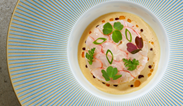
When it comes to dining, La Grande Georgette also echoes the history of the former barracks while offering French cuisine based on fresh, seasonal ingredients. Its terrace offers a prime view of the cathedral.
An invitation to slow down
Finally, the 450 m² spa—featuring a sauna, steam room, hydromassage pool, and treatment rooms—lets you wind down after a day of exploration at a more leisurely pace.
After touring Reims or exploring the surrounding vineyards, a few hours of relaxation offer another way to enjoy the hotel. Here, wellness is a natural part of the experience, like an invitation to slow down and fully appreciate your stay.
La Caserne Chanzy thus becomes much more than just a place to stay: it’s a destination that lets you experience Reims while remaining deeply connected to the history and identity of Champagne.
Meet the people and savoir-faire behind the region
Leaving Reims quickly brings you back to the landscapes that have shaped the identity of Champagne.
The major houses are, of course, an essential part of the region’s history. But a deeper exploration can also lead you to family-run producers and lesser-known estates.
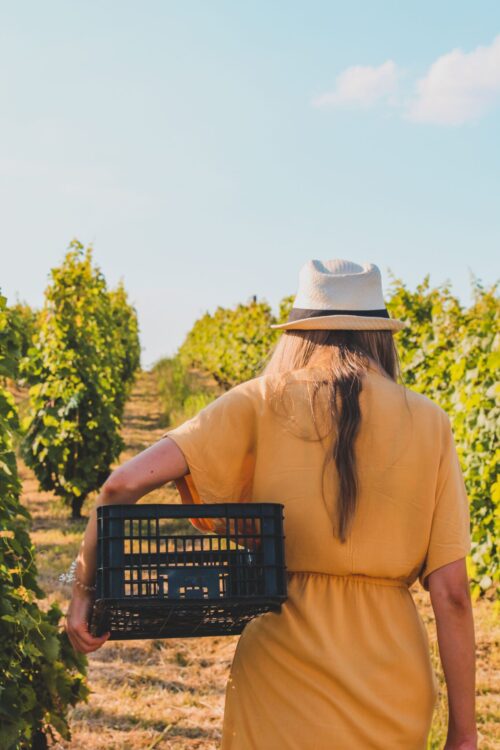
These encounters offer a different perspective on the region. Here, you’ll discover the work of the vineyard, traditions passed down through generations, and the diversity of approaches that exist within the Champagne appellation.
Rather than cramming in as many visits as possible, a customized itinerary can focus on a few carefully selected stops, alternating between iconic houses and family-run estates. Experiences led by a local guide can also provide a deeper understanding of the region’s landscapes and traditional craftsmanship.
This approach allows for a better understanding of the region while maintaining a leisurely pace.
Discover the quieter side of Champagne
Among the iconic villages of Champagne, Hautvillers holds a special place.
Associated with Dom Pérignon, the village is surrounded by vineyards and offers beautiful panoramic views of the hillsides.
But its appeal also lies in its atmosphere. Its narrow streets and natural setting allow visitors to discover a more peaceful side of Champagne, far from major urban centers.
A visit can be combined with a stroll through the vineyards, a meeting with a local winemaker, or lunch at a restaurant chosen for its setting.
It is often through this kind of combination that a trip takes on a more personal dimension: a cultural experience, a landscape, a meeting, and a meal naturally complement one another.
Experience the vineyards at a slower pace
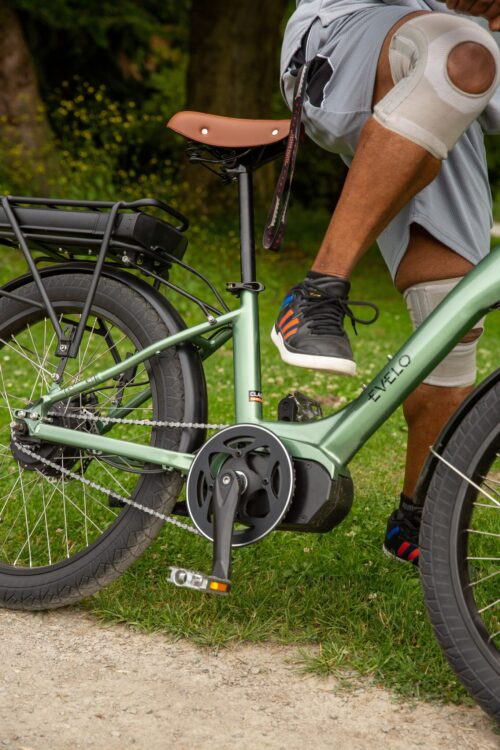
For a different way to explore the vineyards, an e-bike is also a great option.
The small roads allow you to travel through the vineyard landscapes at a more leisurely pace, taking the time to stop in villages or to admire the views.
You can plan a ride around Reims, Épernay, or the villages in the wine region, with a stop at a winemaker’s, a local lunch, or a tour of the area’s heritage sites. Cycling routes are a great way to explore the region’s designated scenic areas while staying close to the local landscape.
Above all, cycling offers a different perspective on Champagne.
You’re no longer just passing through the vineyards—you’re riding through them at your own pace, between the villages and the hillsides.
Taste Champagne beyond the traditional cellar
Champagne can also be discovered at the table.
A lunch in the vineyards, a gourmet restaurant in Reims, or a more casual dinner can become truly memorable moments of your trip.
The goal isn’t necessarily to seek out the most prestigious restaurants, but rather to choose places that match the character of the itinerary.
Gastronomy then becomes another way to understand the region—through its local products, culinary expertise, and warm hospitality.
It is this attention to detail that aligns with a certain French conception of the art of living: taking one’s time, prioritizing quality, and fully appreciating the present moment.
A journey shaped around your own rhythm
Champagne’s true richness ultimately lies in its diversity.
Reims for its heritage. The villages for their character. The vineyards for their landscapes. The winemakers for their stories. Cycling for a different way to explore. Gastronomy to extend the experience.
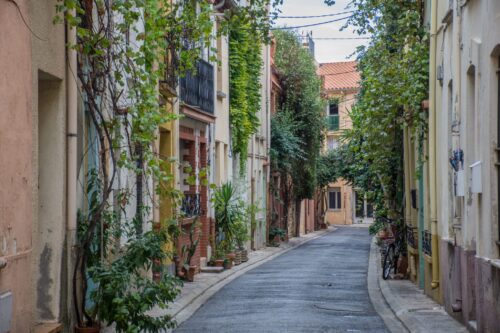
For travelers who wish to venture off the beaten path, it’s possible to craft a journey centered on small producers, private tours, less-visited villages, bike rides, or lunches in the heart of the vineyards. Small-group or fully private excursions also allow you to tailor the pace and itinerary to each person’s preferences.
The appeal of a tailor-made trip is precisely that you don’t have to choose between these different approaches.
Each experience can be selected to create a cohesive, elegant trip that is deeply rooted in the region.
Three days for a first taste, longer for a deeper discovery
For a first visit, three days is a great amount of time to strike a balance between cultural heritage, vineyards, cuisine, and relaxation.
This itinerary allows you to take the time to explore Reims, venture out into the Champagne countryside, and enjoy a variety of experiences without making the trip feel too rushed.
A longer stay naturally allows you to go further afield, explore the villages in greater depth, spend time cycling, or get to know the locals better.
The ideal length of stay therefore depends less on the number of activities than on the pace you prefer.
An intimate journey through the heart of Champagne
Champagne is more than just its famous bottles.
You can discover it in a cathedral, around a corner on a small street in Reims, along a road lined with vineyards, around a table, or during a conversation with a winemaker.
It can also be discovered in the tranquility of a historic hotel across from Notre-Dame, when the day finally slows down.
It is this side of Champagne—more intimate, more cultural, and more closely tied to its way of life—that is worth discovering.
And for a tailor-made trip, each stop can be chosen to create an experience that is elegant, personal, and deeply rooted in the region.