The Loire Valley is one of the most enchanting destinations in France, where magnificent castles rise above peaceful rivers, elegant vineyards stretch across rolling hills, and charming villages preserve centuries of history. Known as the **Garden of France**, this remarkable region is home to more than 300 châteaux, making it the greatest concentration of castles in Europe. Every château tells a different story, from medieval conflicts and royal romances to Renaissance art and architectural innovation.
Exploring the Loire Valley castles is not simply about visiting beautiful monuments; it is an unforgettable journey through the history of France. The region was once the favorite residence of French kings and queens, who transformed the Loire into the cultural and political heart of the kingdom during the Renaissance. Today, travelers can follow in their footsteps while discovering breathtaking architecture, world-famous gardens, exceptional gastronomy, and timeless landscapes recognized by UNESCO.
Whether you are planning your first trip to France or returning to discover a new side of the country, the Loire Valley offers an experience that perfectly combines history, culture, and elegance.
Why the Loire Valley Is the Land of French Castles
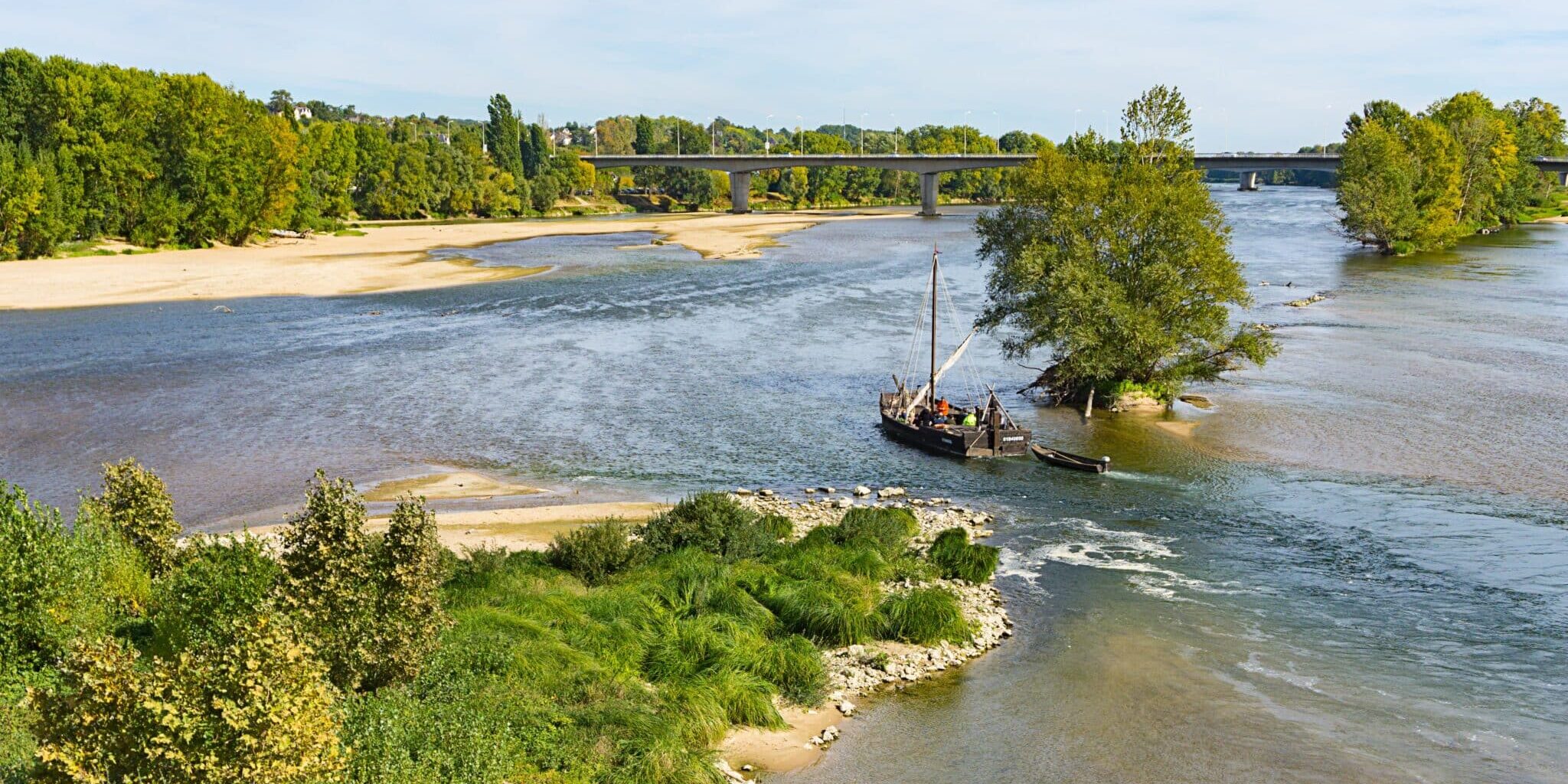
Located between Orléans and Angers, the Loire Valley follows the course of France’s longest river for more than 280 kilometers. Its fertile lands, mild climate, and strategic location made it an attractive region for nobility long before the Renaissance. During the 15th and 16th centuries, French monarchs chose the Loire as their preferred place of residence, replacing austere medieval fortresses with refined palaces inspired by Italian architecture.
This golden age completely transformed the landscape. Architects, sculptors, painters, and gardeners were invited from Italy to create residences that reflected the growing influence of humanism and artistic excellence. The result is an extraordinary collection of castles, each representing a different chapter of French history.
In 2000, UNESCO designated the Loire Valley as a **World Heritage Site**, recognizing not only its architectural masterpieces but also its harmonious cultural landscape where rivers, vineyards, gardens, forests, and historic towns exist in remarkable balance.
Château de Chambord: The Ultimate Renaissance Masterpiece
Among all the Loire Valley castles, **Château de Chambord** stands as the most iconic symbol of royal ambition. Commissioned by King Francis I in 1519, Chambord was conceived as an extravagant hunting lodge rather than a permanent royal residence. The young king wanted to demonstrate the power and prestige of the French monarchy while celebrating the artistic ideals of the Renaissance. The castle immediately captivates visitors with its spectacular silhouette. More than four hundred rooms, countless towers, ornate chimneys, and monumental staircases create an architectural composition unlike any other in Europe. Although construction lasted for decades, Chambord remains remarkably coherent in its vision of grandeur. One of its greatest mysteries is the famous **double-helix staircase**, an ingenious design that allows two people to ascend and descend simultaneously without crossing paths. While historians continue to debate its origins, many believe Leonardo da Vinci influenced its conception during his close relationship with Francis I.
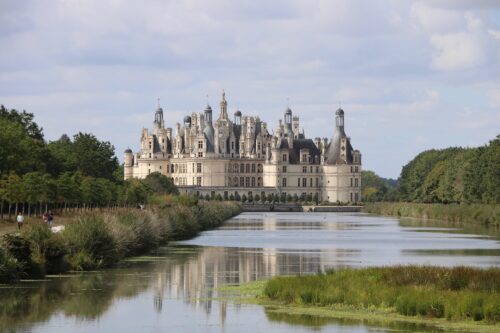
The rooftop terraces offer one of the finest panoramic views in the Loire Valley. From above, the endless forest surrounding the château stretches toward the horizon, reminding visitors that Chambord was built at the center of one of Europe’s largest enclosed royal hunting estates. Walking through its vast halls feels almost theatrical, revealing the extraordinary scale of royal life during the French Renaissance.
Château de Chenonceau: The Elegant Castle of Powerful Women
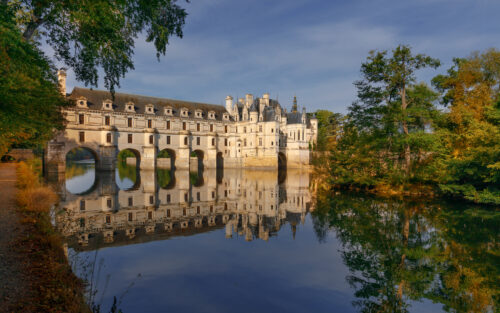
Gracefully spanning the River Cher, **Château de Chenonceau** is often considered the most elegant castle in France. Unlike many royal residences dominated by kings and military history, Chenonceau owes its legacy to a succession of remarkable women who shaped its architecture, gardens, and identity. Its story begins with Diane de Poitiers, the influential mistress of King Henry II, who transformed the estate into a refined Renaissance residence surrounded by exquisite gardens. After the king’s death, Queen Catherine de’ Medici reclaimed the château and added its most famous architectural feature: the magnificent gallery extending across the river. This unique design creates one of the most recognizable images in French architecture. Reflections dance across the water throughout the day, giving the castle an almost dreamlike appearance that changes with the seasons.
Inside, richly decorated rooms display Flemish tapestries, Renaissance paintings, carved fireplaces, and floral arrangements that have become one of Chenonceau’s signature traditions. Every room is decorated with fresh flowers grown on the estate, adding life and fragrance to an already extraordinary interior. Beyond its beauty, Chenonceau also played an unexpected role during the First World War, when its gallery was transformed into a military hospital. During the Second World War, it became an escape route between occupied and free France, adding another fascinating layer to its history.
Château Royal d’Amboise: Where French Kings and Leonardo da Vinci Crossed Paths
Perched high above the Loire River, **Château Royal d’Amboise** occupies one of the most strategic locations in the valley. Long before becoming a Renaissance palace, the site served as a medieval fortress protecting important trade routes. Its transformation into a royal residence marked the beginning of a new artistic era in France.
Several French kings were born or educated within its walls, including Charles VIII and Francis I. Their fascination with Italy introduced Renaissance architecture to France, making Amboise one of the country’s earliest Renaissance courts.
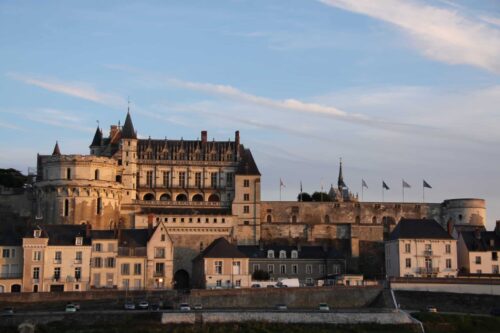
The château is inseparable from the legacy of **Leonardo da Vinci**. Invited by Francis I in 1516, the Italian genius spent the final years of his life in nearby Clos Lucé. He brought with him paintings, scientific manuscripts, and visionary ideas that profoundly influenced French culture. Today, visitors can pay their respects at the **Saint-Hubert Chapel**, where Leonardo da Vinci is buried. The terraces of Amboise provide exceptional views over the Loire River, the historic town, and the surrounding countryside. Below the castle, narrow cobbled streets are lined with cafés, artisan boutiques, and traditional restaurants, creating one of the Loire Valley’s most charming royal towns.
Château de Villandry: The Finest Renaissance Gardens in France
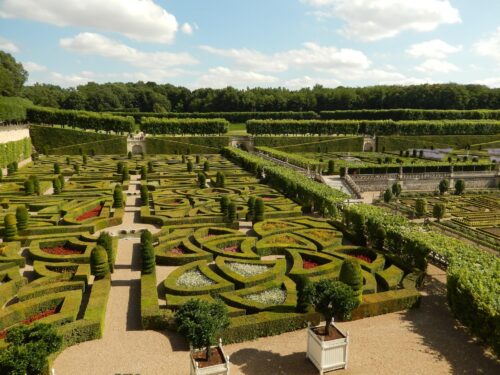
While many Loire castles are celebrated for their architecture, **Château de Villandry** has earned international fame for its extraordinary gardens. The château itself is elegant and harmonious, but it is the landscape surrounding it that leaves visitors speechless. Restored during the early twentieth century according to Renaissance principles, Villandry’s gardens are designed as living works of art. Every hedge, flower, vegetable, and pathway follows precise geometric patterns inspired by symmetry and balance. The ornamental gardens symbolize different forms of love through intricate boxwood designs, while the famous kitchen garden transforms ordinary vegetables into colorful artistic compositions.
Seasonal flowers ensure that the estate constantly changes throughout the year, offering a completely different experience in spring, summer, and autumn. Walking through Villandry is a peaceful experience that demonstrates how French garden design became an artistic discipline equal to architecture itself. It is also one of the most photogenic locations in the Loire Valley, particularly during the golden light of late afternoon.
Château d’Azay-le-Rideau: A Jewel Reflected on Water
Few castles possess the poetic elegance of **Château d’Azay-le-Rideau**. Built on an island in the Indre River during the reign of Francis I, the château appears to float effortlessly upon the water, its pale limestone façade perfectly reflected in the surrounding landscape. Unlike the monumental scale of Chambord, Azay-le-Rideau offers a more intimate atmosphere. Its refined proportions, sculpted staircases, and richly decorated interiors provide insight into the lifestyle of wealthy Renaissance nobility rather than royal extravagance.
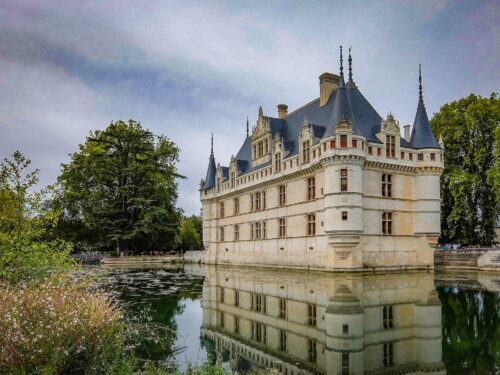
The castle’s architecture beautifully combines French tradition with Italian Renaissance influences. Delicate windows, elaborate ceilings, and finely furnished salons create an elegant environment that feels both sophisticated and welcoming. Surrounded by an English-style landscaped park, Azay-le-Rideau invites visitors to slow down and appreciate the quieter side of the Loire Valley.
Château de Chinon: A Fortress That Changed French History
Before the Renaissance filled the Loire Valley with graceful palaces, the region was dominated by powerful medieval fortresses. **Château de Chinon** is one of the most historically significant among them. Overlooking the Vienne River, this immense fortress was once the residence of the Plantagenet dynasty, linking French and English history during the Middle Ages. However, its greatest historical moment occurred in 1429 when **Joan of Arc** arrived to meet the future King Charles VII.
Her successful recognition of the disguised king and the confidence she inspired ultimately contributed to the liberation of France during the Hundred Years’ War. This encounter transformed Chinon into one of the defining landmarks of French national identity.
Today, visitors can explore extensive medieval walls, towers, underground passages, and interactive exhibitions that vividly recreate life inside a medieval fortress. The panoramic views across the valley are among the finest in western France.
The Renaissance: When the Loire Became the Heart of France
The Loire Valley reached its cultural peak during the Renaissance, a period that forever changed French architecture and society. After military campaigns in Italy, French kings returned fascinated by classical art, proportion, and innovation. Rather than building defensive castles, they envisioned residences dedicated to beauty, comfort, education, and intellectual life. Italian architects introduced elegant columns, symmetrical façades, grand staircases, and expansive windows that flooded interiors with natural light. Gardens evolved into carefully designed landscapes where geometry reflected humanity’s desire to organize nature. This artistic revolution explains why every Loire Valley château feels different. Chambord celebrates royal power, Chenonceau embodies refinement, Amboise represents intellectual exchange, and Villandry elevates landscape design into an art form. Together, they illustrate the extraordinary diversity of the French Renaissance.
A Perfect Three-Day Loire Valley Castle Itinerary
For travelers with limited time, three days provide an excellent introduction to the region’s greatest treasures while allowing moments to enjoy local villages and gastronomy.
Day One: Royal Splendor
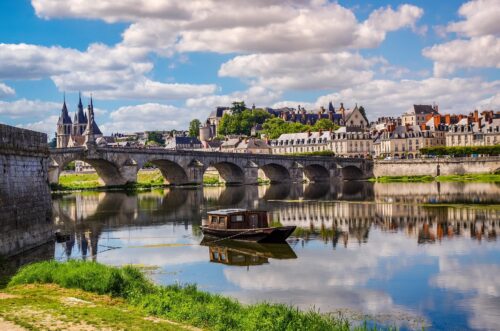
Begin your journey at Château de Chambord early in the morning to experience its monumental architecture before the largest crowds arrive. Spend several hours exploring the royal apartments, rooftop terraces, and surrounding parkland before continuing to the nearby town of Blois. In the afternoon, visit the **Royal Château of Blois**, a remarkable palace that showcases four distinct architectural styles ranging from Gothic to Classical. End the day by wandering through Blois’ historic center, where lively squares and traditional restaurants create a warm evening atmosphere.
Day Two: Romance Along the River
Dedicate your second day to Château de Chenonceau, allowing enough time to explore both its magnificent interiors and its celebrated gardens. After lunch, continue toward Amboise, where Renaissance history comes alive through its royal castle and the nearby Clos Lucé estate dedicated to Leonardo da Vinci. As the sun sets over the Loire River, enjoy dinner on a terrace overlooking the historic town while tasting regional wines from Touraine.
Day Three: Gardens and Hidden Elegance
Spend the morning discovering the extraordinary gardens of Villandry before driving to Azay-le-Rideau. The contrast between Villandry’s geometric landscapes and Azay’s tranquil riverside setting perfectly illustrates the diversity of the Loire Valley. If time permits, conclude your journey with a visit to Chinon, where medieval history offers a fascinating counterpoint to the Renaissance splendor experienced throughout the trip.
Hidden Gems Worth Discovering
Beyond its world-famous castles, the Loire Valley is filled with remarkable estates that often receive fewer visitors while offering equally memorable experiences. **Château d’Ussé**, with its fairy-tale towers rising above ancient forests, is widely believed to have inspired Charles Perrault’s *Sleeping Beauty*. Its romantic silhouette makes it particularly enchanting for families and photography enthusiasts.
**Château de Langeais** transports visitors back to the Middle Ages with its authentic drawbridge, imposing defensive walls, and beautifully preserved interiors. It also witnessed the historic marriage of Charles VIII and Anne of Brittany, a union that permanently reshaped the French kingdom. Meanwhile, **Château de Cheverny** impresses with its classical elegance and luxurious decoration. Its perfectly preserved interiors inspired Hergé’s famous Marlinspike Hall in *The Adventures of Tintin*, making it especially appealing to comic lovers as well as architecture enthusiasts.
The Best Time to Visit the Loire Valley
The Loire Valley is a destination for every season, although each offers a distinct atmosphere.
Spring transforms the gardens into colorful masterpieces as tulips, irises, and roses begin to bloom. Mild temperatures make it ideal for walking through castle parks and cycling along the Loire River. Summer brings lively festivals, outdoor concerts, historical reenactments, and spectacular evening illuminations at several châteaux. Although it is the busiest season, the extended opening hours allow visitors to enjoy the monuments well into the evening.
Autumn is perhaps the most rewarding period for travelers seeking authenticity. Vineyards come alive with the grape harvest, forests glow with golden foliage, and the softer light creates exceptional photographic conditions. Winter offers a quieter and more intimate experience. Several castles decorate their interiors for Christmas, filling grand halls with festive displays that reveal another side of French heritage.
Gastronomy: The Perfect Companion to Castle Exploration
A journey through the Loire Valley is incomplete without discovering its exceptional culinary traditions. The region combines refined royal influences with generous countryside cooking, producing one of France’s richest gastronomic identities.
Goat cheese, particularly the celebrated **Sainte-Maure-de-Touraine**, is a regional specialty protected by designation of origin. Fresh river fish, delicate rillettes, seasonal asparagus, wild mushrooms, and orchard fruits appear throughout local menus, reflecting the abundance of the Loire landscape. The valley is equally famous for its wines. Elegant Sauvignon Blanc from Touraine, mineral Muscadet, sparkling Crémant de Loire, and the distinctive Vouvray produced from Chenin Blanc pair beautifully with regional cuisine. Many vineyards are located only minutes from the major castles, making wine tasting a natural addition to any itinerary.
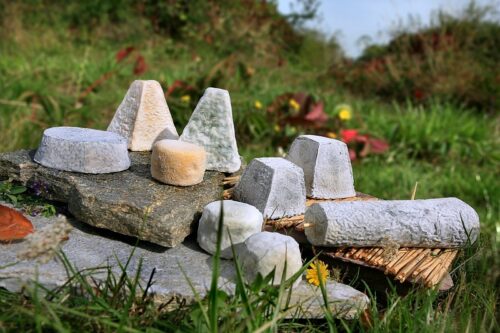
Rather than rushing between monuments, taking time to enjoy local markets and family-owned wineries enriches the overall travel experience and offers a deeper connection to the region’s heritage.
Where French History Comes to Life
Exploring the Loire Valley castles is one of the most extraordinary cultural journeys in France. From the monumental grandeur of Chambord to the timeless elegance of Chenonceau, the royal legacy of Amboise, the artistic gardens of Villandry, and the medieval power of Chinon, each château reveals a different face of French history.
More than architectural masterpieces, these castles preserve the stories of visionary kings, influential queens, brilliant artists, and courageous heroines whose lives shaped the nation. Surrounded by vineyards, rivers, forests, and picturesque villages, the Loire Valley offers a rare harmony between nature and heritage that continues to inspire travelers from around the world.
For anyone dreaming of discovering the authentic soul of France, the Loire Valley is not simply a destination—it is a journey through centuries of beauty, culture, and history that remains unforgettable long after the trip has ended.