Northern Italy is undoubtedly one of the most beautiful regions in Europe for a trip combining culture, gastronomy, and spectacular landscapes. Between the peaks of the Alps, the crystal-clear waters of the great Italian lakes, and the history-rich cities, this part of the country appeals equally to art lovers, nature enthusiasts, and travelers seeking authenticity. Easily accessible from France by car, train, or plane, Northern Italy is an ideal destination for a long weekend, a road trip, or an extended holiday. Each city has its own identity. Some impress with iconic monuments, others charm visitors with medieval streets, lively squares, or a gentle way of life. From the famous canals of Venice to the elegant avenues of Milan, passing through the romantic charm of Verona or the fortified walls of Bergamo, each stop offers a wealth of discoveries. Whether you are passionate about architecture, history, or simply looking for Italy’s most beautiful panoramas, this region offers an incredible diversity of experiences.
Why visit Northern Italy?
Northern Italy has an exceptional heritage stretching from the Alps to the Adriatic Sea. This region brings together some of the country’s most famous cities, as well as hidden treasures still unknown to many travelers. Its excellent transport network makes it easy to combine several destinations within a single trip, whether by train or car.
Beyond its historical monuments, Northern Italy is also renowned for its gastronomy. Each region has its own specialties, from Milanese risotto to fresh pasta from Emilia-Romagna, as well as famous wines produced in the hills of Piedmont and Veneto. This culinary richness is an essential part of the travel experience. Another major advantage is the diversity of landscapes, allowing visitors to enjoy varied experiences. It is possible to visit a major art city in the morning, have lunch by a lake in the afternoon, and admire the mountains by evening. Few European destinations offer such a concentration of remarkable sites within a relatively small area.
Venice, Italy’s most iconic city
A unique city in the world
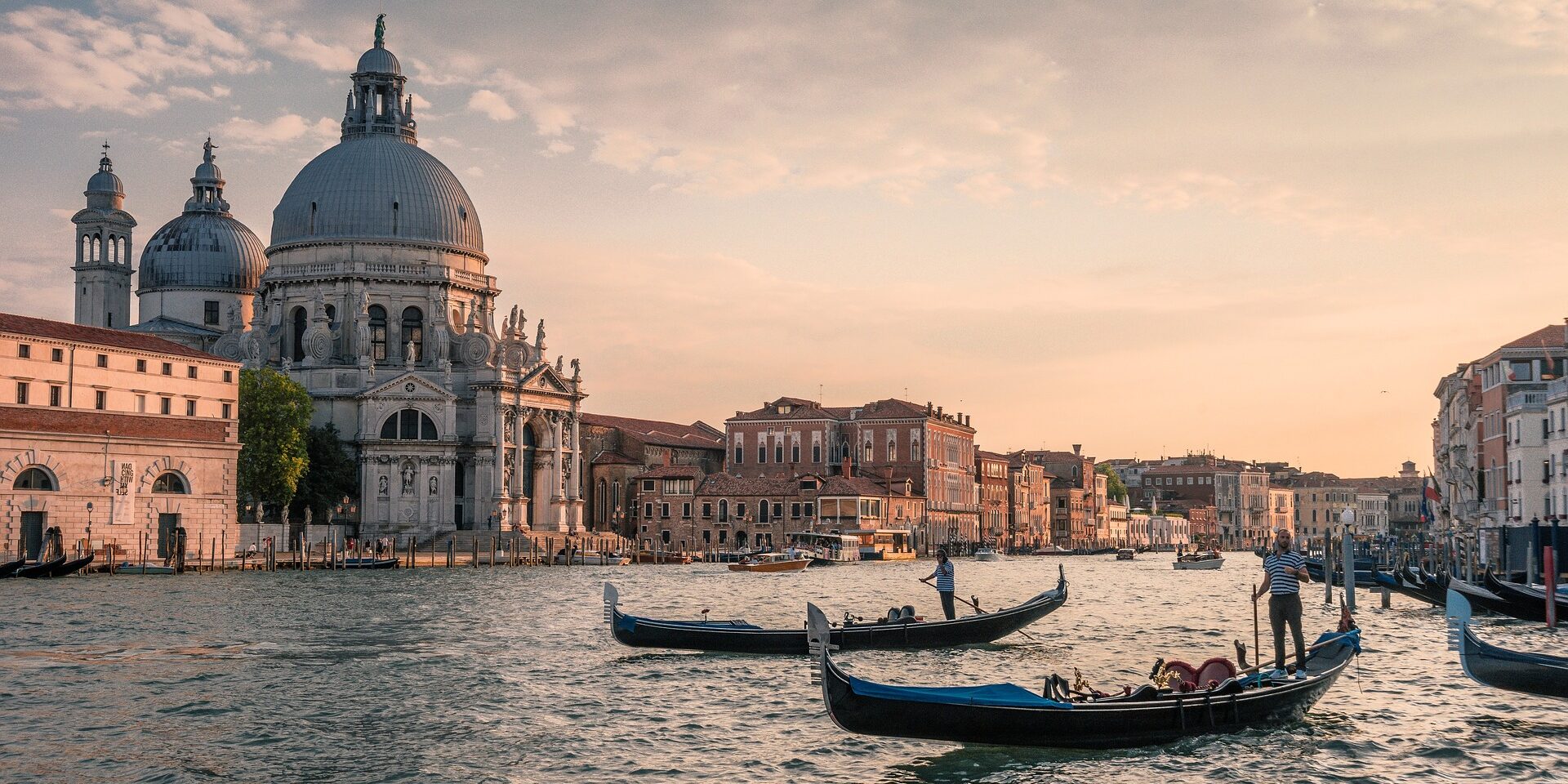
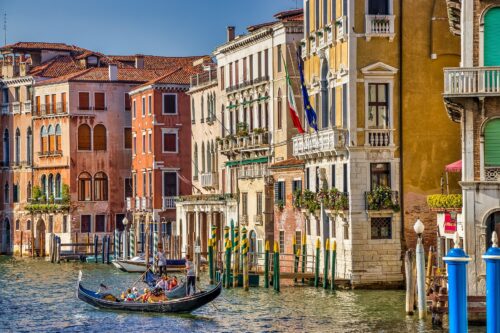
It is impossible to talk about the most beautiful cities in Northern Italy without starting with Venice. Built on a lagoon made up of more than a hundred islands connected by bridges, it has fascinated travelers for centuries. Its perfectly preserved architecture gives the impression of stepping back in time with every walk. In Venice, cars are replaced by boats. Travel is done on foot or by vaporetto, which greatly contributes to the city’s unique charm. Every alley opens onto a small square, a palace, or a canal reflecting the colorful façades of historic buildings. This special atmosphere is why Venice is considered one of the most romantic destinations in Europe.
Must-see attractions
St. Mark’s Square is naturally the historic heart of Venice. Dominated by the famous St. Mark’s Basilica and the Campanile, it brings together some of the city’s most prestigious monuments. A few steps away stands the Doge’s Palace, former residence of the rulers of the Republic of Venice, whose richly decorated rooms reflect the city’s former power.
The Rialto Bridge offers one of the most beautiful views of the Grand Canal, the city’s main waterway. Throughout the day, gondolas, vaporettos, and delivery boats animate this unique setting. To discover a more authentic side of Venice, simply venture into quieter districts such as Cannaregio or Dorsoduro. Two to three days are enough to see the main monuments while also soaking in the unforgettable atmosphere that defines Venice.
Milan, between elegance and modernity
Much more than a fashion capital
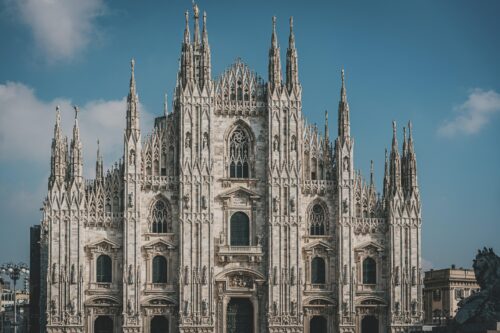
Often reduced to its image as Italy’s fashion capital, Milan is well worth a deeper visit. The country’s second-largest city combines historical heritage, contemporary architecture, and economic dynamism. Its historic center is full of treasures that appeal to both art and culture lovers. The Duomo immediately impresses. This massive Gothic cathedral, built over several centuries, is one of the most beautiful religious buildings in Europe. From its terraces, the view over Milan’s rooftops is spectacular, with the Alps visible on clear days.
An ideal city for an urban stay
Just a few meters from the Duomo, the Galleria Vittorio Emanuele II invites visitors to stroll beneath its majestic glass roof. Luxury boutiques sit alongside historic cafés in a magnificent setting that perfectly symbolizes Milanese elegance. History lovers will also appreciate the Sforza Castle, a former fortress turned museum complex, while the Brera district offers a more artistic atmosphere with its cobbled streets, galleries, and traditional restaurants.
In the evening, the Navigli canals become a lively meeting point for locals. The terraces along the canals provide the perfect setting for an aperitivo, a true Italian institution. This blend of history, culture, and lifestyle makes Milan a must-visit destination in Northern Italy.
Verona, pure Italian elegance
A romantic city with rich heritage
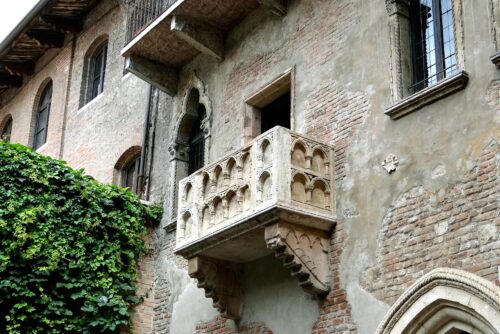
World-famous thanks to the story of Romeo and Juliet, Verona offers much more than its legendary reputation. Its historic center, a UNESCO World Heritage Site, is a remarkable testament to Roman and medieval times. The city has a refined atmosphere where Renaissance palaces stand alongside ancient ruins. Cobblestone streets invite leisurely strolls, while lively squares allow visitors to enjoy the Italian lifestyle.
What to see in Verona
The Verona Arena is undoubtedly the city’s most iconic landmark. This remarkably preserved Roman amphitheater still hosts opera performances and concerts during the summer season. Its impressive architecture recalls the power of the Roman Empire. Piazza delle Erbe, considered the heart of Verona, brings together palaces, terraces, and historic buildings in a lively atmosphere. A short walk leads to Juliet’s House, whose famous balcony attracts thousands of visitors every year.
Castelvecchio and its fortified bridge offer a more medieval side of the city, while the banks of the Adige River provide beautiful views, especially at sunset. Verona is an ideal stop between Milan and Venice.
Bergamo, Lombardy’s hidden treasure
A still-preserved destination
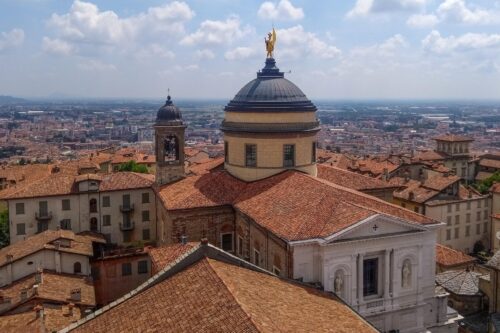
Located less than an hour from Milan, Bergamo remains relatively unknown to many travelers. This is part of its charm. The city is divided into two distinct areas: the modern lower town and the Città Alta, perched on a hill and surrounded by impressive Venetian walls, a UNESCO World Heritage Site. Accessible via a historic funicular, the old town immediately immerses visitors in a medieval atmosphere. Cobblestone streets wind between palaces, churches, and small squares where time seems to have stopped.
Why visit Bergamo?
Piazza Vecchia is often considered one of the most beautiful squares in Italy. Surrounded by perfectly restored historic buildings, it is the true heart of the Città Alta. Nearby stand the Basilica of Santa Maria Maggiore and the Colleoni Chapel, two masterpieces of Lombard architecture. From the ramparts, the view stretches across the Lombard plain and, on clear days, to the Alpine peaks. This privileged position offers a spectacular panorama worth the visit on its own.
Thanks to its proximity to Lake Como, Lake Iseo, and Milan, Bergamo is also an excellent base for exploring Lombardy.
Turin, Piedmont’s discreet elegance
A royal capital with refined charm
Turin is often overlooked in Northern Italy itineraries, yet it is one of the country’s most elegant cities. Former capital of the Savoy kingdom, it preserves a rich architectural heritage, with wide arcaded boulevards, majestic palaces, and historic cafés where time seems suspended.
What to see in Turin
The historic center revolves around Piazza Castello, the heart of the city. Nearby, the Royal Palace and Palazzo Madama reflect Turin’s royal past. The city is also known for the Mole Antonelliana, which houses the National Cinema Museum and offers a spectacular view of the Alps. Turin is also a city of culture and gastronomy, famous for its historic cafés and its traditional drink, bicerin, made with coffee, chocolate, and cream.
Bologna, Italy’s food capital
A vibrant and authentic city
Bologna is often considered one of the most pleasant cities to live in Italy. It immediately charms visitors with its lively atmosphere, perfectly preserved historic center, and vibrant student life. Nicknamed “la grassa” (the fat one) due to its rich cuisine, Bologna is a paradise for food lovers.
Unique architecture in Italy
What sets Bologna apart are its famous porticoes stretching for dozens of kilometers. They allow you to walk sheltered from rain or sun while admiring the city’s characteristic red façades. Piazza Maggiore is the heart of Bologna. Nearby, the Asinelli and Garisenda towers recall the city’s medieval past.
Genoa, Northern Italy’s maritime gateway
A port city full of contrasts
Genoa is a fascinating yet often underrated city. Its maritime history has made it one of the most important cities in the Mediterranean.
Highlights of Genoa
The historic center contains treasures such as San Lorenzo Cathedral and the Palazzi dei Rolli, a UNESCO World Heritage Site. The renovated waterfront is home to the Genoa Aquarium, one of the largest in Europe.
Padua, a charming university city
A hidden gem of Veneto
Just a few kilometers from Venice, Padua is often overlooked. Yet it offers a rich heritage and a calmer atmosphere.
What to see in Padua
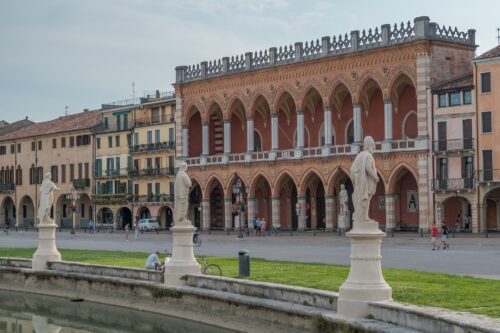
The Basilica of Saint Anthony is a major pilgrimage site. The Scrovegni Chapel, decorated with Giotto’s frescoes, is considered one of the masterpieces of Western art.
Trento, between the Alps and Italian culture
A city at the crossroads of cultures
Trento offers a different side of Northern Italy, combining Italian and Austrian influences.
What to discover
The Buonconsiglio Castle and the Cathedral of Saint Vigilius are highlights. Trento is also a gateway to the Dolomites, a UNESCO World Heritage Site.
Trieste, the Adriatic hidden gem
A city between Italy and Central Europe
Trieste has a unique identity shaped by Italian, Austrian, and Slavic influences.
What to see in Trieste
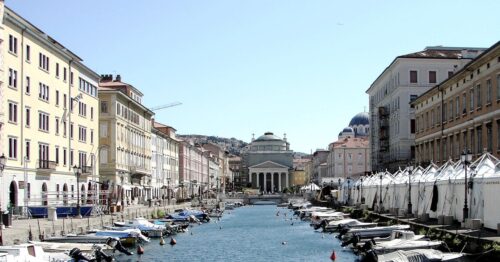
Piazza Unità d’Italia is one of the largest seaside squares in Europe. Miramare Castle offers spectacular views of the Adriatic Sea.
Mantua, a preserved Renaissance jewel
A timeless city
Surrounded by artificial lakes, Mantua is a UNESCO World Heritage Site and a true open-air museum.
Highlights
The Ducal Palace and Palazzo Te showcase extraordinary Renaissance art and architecture.
Suggested itinerary for Northern Italy
A 7–10 day trip allows you to combine major cities and lesser-known destinations. A classic route starts in Milan, continues to Bergamo, then Verona and Venice, followed by Bologna, and possibly Turin or Genoa.
FAQ
How many days are needed? At least one week, ideally ten days.
Do you need a car? Trains are efficient, but a car is useful for lakes and rural areas.
What is the most beautiful city? Venice is the most iconic, but Verona, Bergamo, and Mantua offer more authentic experiences.
An unforgettable journey through Northern Italy
Northern Italy is an exceptionally rich destination where every city tells a different story. From Venice’s canals to Milan’s elegant streets, Bologna’s lively squares, or Trento’s alpine landscapes, the journey is filled with unique discoveries. Whether for a short stay or a longer road trip, this region offers a perfect blend of Italian lifestyle, culture, gastronomy, and breathtaking scenery—a journey worth experiencing at least once in a lifetime.